

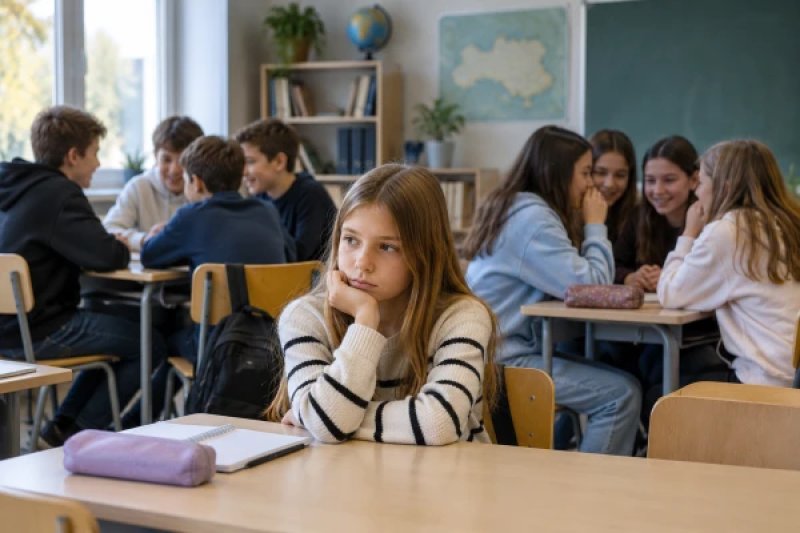
“Yesterday my daughter sadly said — there are only three Latvians in our class,” writes Ilze. She explains that there are 20 children in the class, but only three of them speak Latvian to each other. According to the mother, the Russian-speaking children have allegedly created their own circle and only speak Russian among themselves. “In our case, absolutely all the Russian children have created their own bubble. Yes, if they are addressed in Latvian, they respond in Latvian, but they cluster only among themselves and isolate themselves,” she explains. In the comments, various opinions can be read about what language the children should communicate in among themselves. Another mother emphasizes that her experience is different: “My child’s native language is Russian, he speaks Latvian with Latvians in the class, and of course, Russian with Russians. There are no problems.” For his part, @chatmaster_lv believes that there is nothing unusual in such a situation and that children can learn both languages from each other: “Here’s the reality for you, not ‘Russian is not needed.’ Nothing. Let them learn from each other. I also learned Latvian from Latvian children in my childhood, and they learned Russian from me. Now we are about 40 years old, and we still communicate very well.” Some commentators point out that the circles of friends forming among children are not always determined solely by language. One commentator writes that Latvian children also often divide into their own “bubbles.” In turn, Inese shares another example: “My child says that Russian-speaking children also cluster together and speak to him in English.” The discussion also includes memories of childhood during times when language boundaries in school were perceived differently. For example, Elena recalls her childhood friendship with a Latvian girl and that they both spoke Russian to each other.
