

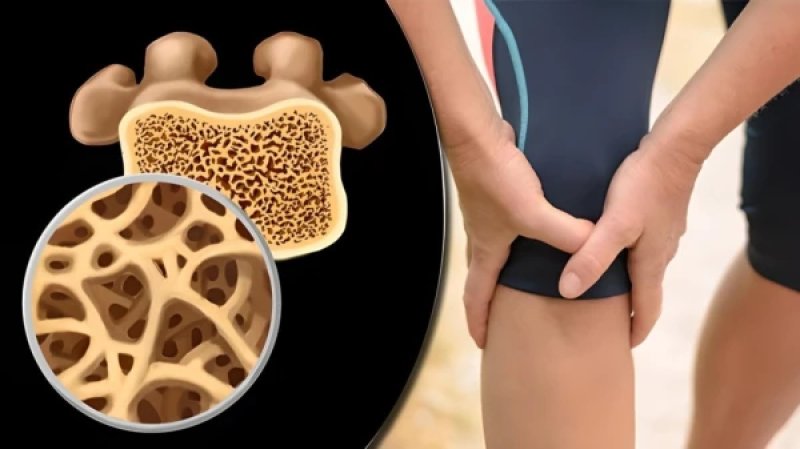
A person typically reaches maximum bone mass by around 25–30 years of age. After that, it begins to gradually decrease. Therefore, it is advisable to take care of the musculoskeletal system long before reaching old age. Osteopath Karla Posner has named five common habits that can negatively affect bone health, according to [Newsweek](https://www.newsweek.com/osteopath-shares-5-everyday-habits-that-could-be-harming-your-bones-12405745). ## Too Much Coffee It is not necessary to completely give up coffee. When consumed in moderation, the drink usually does not pose a serious threat to bones. However, excess caffeine can affect calcium absorption and bone metabolism processes. A study involving nearly 10,000 elderly women showed that consuming five or more cups of coffee a day was associated with slightly lower bone mineral density. It is important to note that this refers to a correlation, not a proven direct effect of coffee. Coffee lovers should consider not only the number of cups but also the overall intake of calcium, vitamin D, and protein. ## Sedentary Lifestyle Bones are living tissue that responds to physical activity. If a person spends most of the day sitting, the skeleton receives fewer mechanical signals necessary to maintain its strength. Walking, climbing stairs, dancing, and weight training are particularly beneficial. Physical activity simultaneously strengthens muscles, improves coordination, and helps reduce the risk of falls. This is especially important with age, when even minor injuries can result in serious fractures. ## The Belief That Calcium Alone Is Enough Calcium is indeed necessary for the formation and maintenance of bone tissue. However, it alone does not solve all problems. The body also needs vitamin D, which helps absorb calcium, and protein, which is involved in maintaining the structure of bones and muscles. Other nutrients are also important, so it is much healthier to follow a varied diet than to try to find one "magic" product or take large doses of supplements on your own. The need for vitamins and minerals in supplement form is best discussed with a doctor, especially in the presence of chronic diseases. ## Excessive Alcohol Consumption Regularly consuming large amounts of alcohol can disrupt the processes of bone formation and renewal, as well as affect calcium and vitamin D metabolism. Additionally, alcohol impairs coordination and increases the likelihood of falls. According to a meta-analysis published in 2022, consuming three or more alcoholic drinks a day was associated with an increased risk of hip fractures. ## The Habit of Postponing Bone Care Many people only start thinking about their skeletal strength after experiencing pain, injury, or receiving a diagnosis. However, a decrease in bone density can occur for a long time without noticeable symptoms. Women during and after menopause need to pay special attention to prevention, as hormonal changes can accelerate bone mass loss. Factors such as heredity, low body mass, smoking, certain diseases, and long-term use of specific medications also matter. If there are risk factors, a doctor may recommend a bone mineral density test. Bone health is determined not by one habit but by a combination of nutrition, physical activity, age, heredity, and overall health. Moderate coffee consumption, limiting alcohol, regular exercise, and a balanced diet help maintain skeletal strength for longer. It is better to start prevention early, rather than waiting for the first fractures or a diagnosis of "osteoporosis."
