

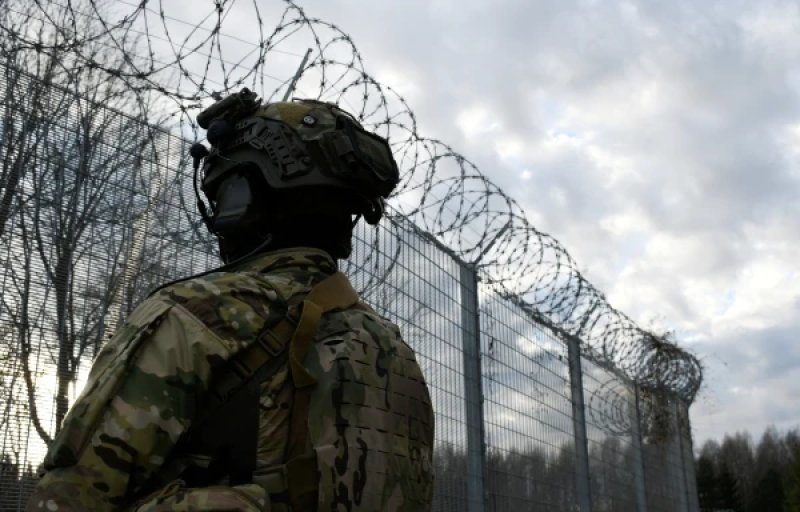
The parties discussed strengthening NATO's eastern flank, combating illegal migration, support from the European Union for member states located on the eastern border, assistance to Ukraine, and further sanctions pressure on Russia. In Terehovo, the ministers were briefed on the work of Latvian border guards and the practical application of sanctions at the external border of the EU and NATO. The heads of foreign affairs agreed that the next multiannual budget of the European Union must provide sufficient funding for the infrastructure of the eastern border, the implementation of modern technologies, and the strengthening of member states. Braže highly appreciated the contribution of the Netherlands to the security of the Baltic region. In particular, she noted the responsibility of the German-Dutch Corps for NATO's land forces in Latvia and Estonia, the participation of the Netherlands in patrolling the airspace of the Baltic states, as well as the presence of Dutch soldiers in the multinational NATO battle group in Lithuania. Discussing Russia's war against Ukraine, the ministers emphasized the need to continue providing military assistance to Kyiv and to intensify economic pressure on Moscow. Braže called for regularly introducing targeted restrictions against companies, technologies, and supply channels that help Russia produce missiles, drones, and other means of warfare, alongside large packages of sanctions. The ministers also discussed cooperation in the field of unmanned technologies, innovations, and testing. In particular, the possibility of the Dutch armed forces using the military training ground in Sēlija was mentioned. The Latvian Foreign Minister thanked the Netherlands for its readiness to host a Special Tribunal for the crime of aggression against Ukraine. She emphasized that the highest political and military leadership of Russia must be held accountable for the committed crime of aggression. Following the visit, the ministers confirmed their intention to strengthen the eastern border of the EU and NATO, continue supporting Ukraine, and jointly counter hybrid threats. Special attention is planned to be given to modern border infrastructure, unmanned technologies, and sanctions against entities supporting the Russian military industry.
