

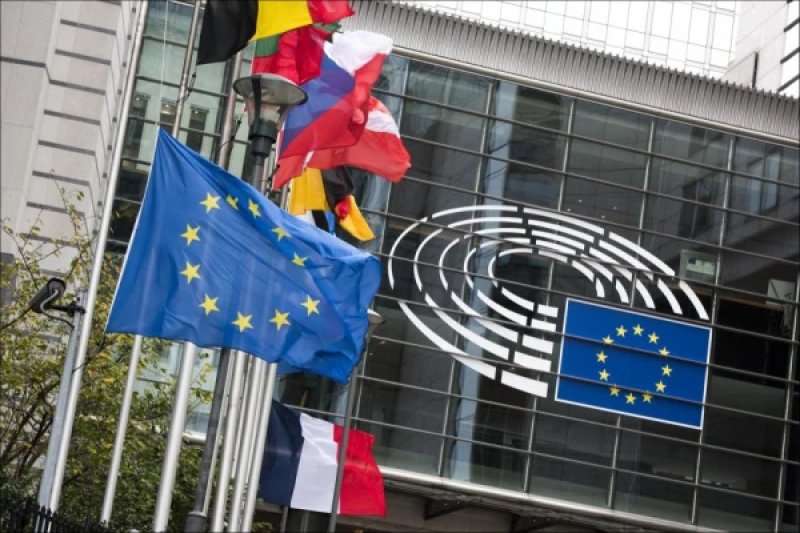
One of the discussed options involves changing not only the mechanism for using Russian funds but also their storage location. In particular, it is proposed to transfer assets from the Belgian depository Euroclear to a new custodian that will be under the control of the European Union. Ukraine supports this approach. As reported by the spokesperson for the Ministry of Foreign Affairs, Georgiy Tikhiy, the Ukrainian side has already provided its European partners with its vision of the mechanism. According to the proposed scheme, a mechanism at the pan-European level could be created, which would be given control over the frozen Russian funds. Decisions on their actual use for defense, ensuring resilience, and restoring Ukraine would be made collectively by the governments of EU countries. If the new custodian of the assets becomes a structure or banking institution of the EU, the associated legal liability may also transition to the pan-European level along with the Russian funds. Thus, in the event of lawsuits or claims from Russia for the return of funds, the responsibility would not only lie with Belgium but with the European Union as a whole. Legal and financial risks are one of the main arguments of the Belgian government against using Russian assets for the so-called reparations loan to Ukraine. At the same time, the new scheme remains exclusively a subject of discussion for now. The EU does not have a ready mechanism for transferring assets that would completely eliminate risks for Belgium, and the European Commission has not yet prepared the corresponding legislative proposal. To implement the idea, the European Commission will need to determine the legal basis for the transfer of assets, choose a financial structure for their management or create a new one, establish operational rules for the mechanism, and determine how potential losses and liabilities will be distributed in the event of court rulings in favor of Russia. Thus, transferring Russian assets from the Belgian Euroclear could become one of the options for resolving the dispute over their further use; however, for its practical implementation, the EU will need to agree on a number of legal and financial issues.
