

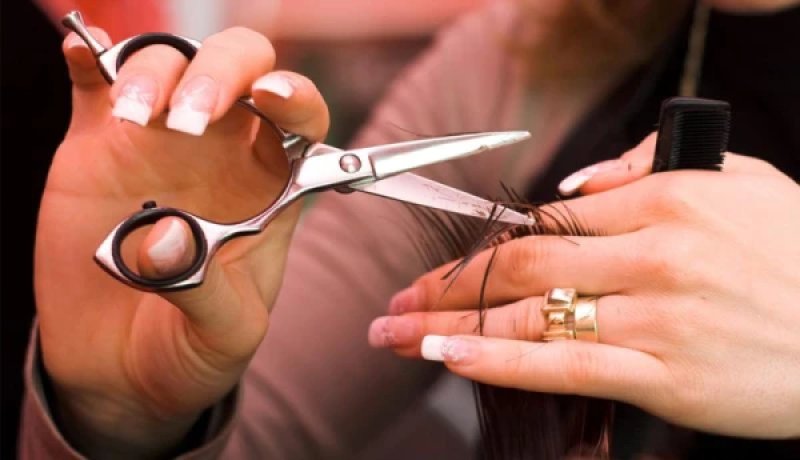
This would encourage those who currently do not pay taxes to come out of the shadow economy. For example, hairdressers, manicurists, private tutors, trainers, gardeners, and plumbers. However, the initially set annual limit of 25,000 euros had to be reduced to 12,000 euros after objections from the State Revenue Service (SRS). This means that a 10-percent tax could theoretically be paid by those who earn up to one thousand euros a month. The working group specifically created in the Ministry of Finance to develop this tax decided that with such a threshold, a significant portion of the existing micro-enterprise taxpayers could switch to a much more favorable 10-percent regime. Therefore, the threshold was lowered to 12,000 euros. The Ministry of Finance explains that lawmakers can engage in "innovation." The task of officials is to keep an eye on politicians to ensure they do not make foolish mistakes. Will those for whom this regime is supposedly intended actually be able to enter it? The Ministry of Finance is cautious about tax reductions: take, for example, the services of hairdressers, which are mentioned by the authors of the tax amendments. With a male haircut and an annual limit of 12,000 euros, a hairdresser would have an average of only about two to three clients in one working day. In response, the authors of the bill reassure that the new regime is not intended for a person who earns their entire salary working as a hairdresser or plumber. The goal is those who, in addition to their main job, earn a few hundred euros and currently pay nothing in taxes. Another problem is that the new rules require quite significant expenses to implement this tax regime: about 400,000 euros. The information systems of the SRS need to be adapted and linked with banks, where hairdressers, plumbers, or private tutors will have to open a special account. The bank will independently withhold the 10-percent tax from it. So far, only one bank, "Industra," has shown interest in participating in the new regime. The Ministry of Finance hoped that large Scandinavian banks would join the project, but this did not happen. As a result, it will only become clear whether there was any sense in all this after the regime is introduced in April next year.
