

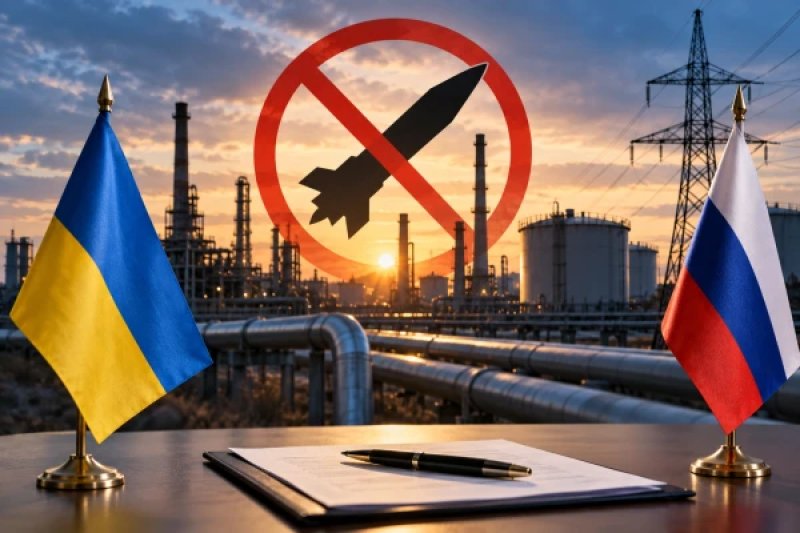
“Ukraine has agreed not to strike Russian energy infrastructure. Russia has agreed to do the same,” Trump wrote on Truth Social. At the same time, the American president did not specify which energy facilities should fall under the proposed agreement, nor when it comes into effect and for how long it is intended. Neither Ukraine nor Russia has publicly confirmed Trump's statements so far. The day before, the U.S. president stated that he urged Ukrainian leader Volodymyr Zelensky to stop strikes on Russian facilities related to diesel fuel production. “Zelensky needs to do one thing. He needs to stop destroying [diesel fuel production] facilities,” Trump told reporters during a trip to Ireland. According to him, Ukraine can attack other targets; however, strikes on Russian oil refineries contribute to a shortage of diesel fuel and rising prices in the global market. Trump also rejected claims that the current rise in diesel prices is related to the war he initiated against Iran. In his version, the cause was the events surrounding Russia and Ukraine. “There are many other targets. Don’t hit the diesel fuel, because it causes harm. It harms the world,” the U.S. president stated. If Trump's statement is confirmed by Moscow and Kyiv, it could signify a significant change in the nature of hostilities. However, for now, it remains a unilateral statement from the U.S. president: neither the parameters of a possible agreement, nor the list of protected facilities, nor the mechanism for compliance are known.
