

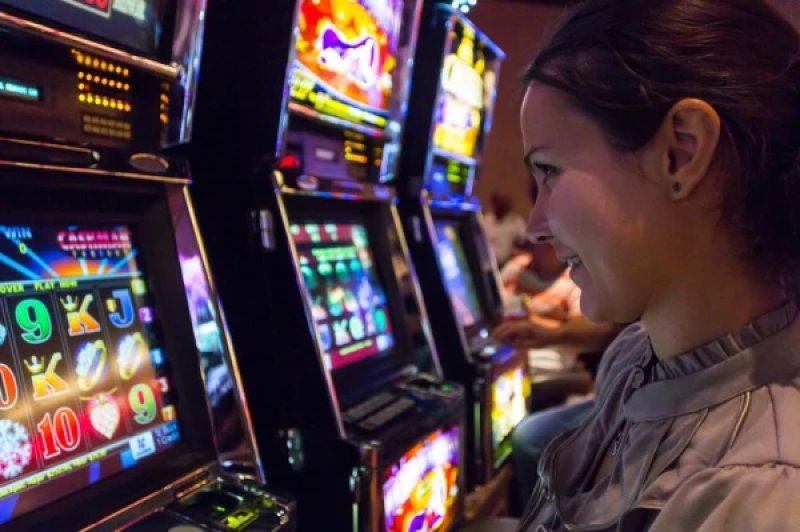
Addictions remain one of the main reasons why the security authorities of Latvia deny the issuance of access to state secrets or revoke already granted permissions. According to the State Security Service (SSS), last year, out of 39 individuals who were denied access to state secrets or deprived of such access, 22 received a negative decision specifically due to identified addictions — alcohol, drug, or gambling. According to the SSS, individuals with such problems may become more vulnerable to recruitment and pressure from foreign intelligence services. In addition to the addiction itself, the risk of blackmail is considered — for example, threats to expose the problem. The decision regarding the presence of an addiction is not made by intelligence officers. If justified doubts arise during the verification, the person may be referred for a medical examination. The Bureau for the Protection of the Constitution (BPC) explained that the law prohibits granting access to information classified as "confidential," "secret," and "top secret" to individuals who have identified mental or behavioral disorders, including those related to the use of alcohol, drugs, psychotropic, or toxic substances, if this raises doubts about their ability to comply with the requirements for protecting state secrets. The final conclusion in such cases is made by a special medical commission. It determines whether a person's health condition may affect their ability to work with classified information. The BPC notes that they do not keep detailed statistics on the reasons for denials, but confirm that in recent years, decisions have repeatedly been made to deny access specifically due to the use of alcohol or drugs. Thus, Latvian legislation considers addictions not only as a health issue but also as a potential risk factor for the protection of state secrets and national security.
