

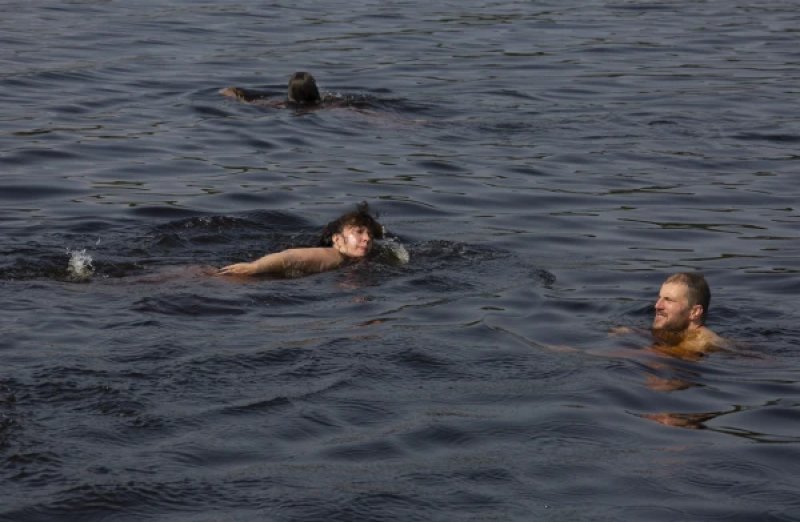
In Jelgava, the results of the swimming season, which officially ended on September 15, have been summarized. According to the municipal police, there were 143 incidents registered over the summer at the two official city beaches — five fewer than the previous year. The most common violation was the appearance of vacationers with pets. Throughout the season, inspectors made 50 remarks to dog owners, despite the existing ban on bringing animals to the beach areas. In second place for the number of violations were cases where catamarans entered the swimming zone — there were 33 such episodes. Vacationers also crossed the boundary buoys 14 times. According to senior inspector of the municipal police Edgars Grondzkis-Groczkis, the summer was relatively calm largely due to the cool weather. The exception was a few particularly hot days when a large number of vacationers were observed at the beaches, especially on Pasta Island. The police also noted a positive trend: this summer, parents were more attentive to their children near the water than in previous years. At the same time, inspectors had to respond more frequently to dangerous behavior among teenagers. In particular, there were cases of riding catamarans without life jackets and risky jumps into the water. Several minors found on the beach without adult supervision were handed over to their parents. In one case, teenagers were using electronic cigarettes, which was also reported to specialists in preventing offenses among minors. Medical assistance was sought at the city beaches 13 times during the season. All the injured suffered cuts on their hands or feet from mollusk shells. The youngest patient was 9 years old, and the oldest was 66 years old. Interestingly, throughout the entire summer, vacationers were warned over the loudspeakers only once about the need to exit the water due to a thunderstorm. After the swimming season ends, the lifeguard station on Pasta Island beach will be dismantled. At the right bank of the Lielupe beach, bio-toilets and trash containers will remain until the end of September, while the rest of the infrastructure will be gradually removed depending on weather conditions. Additionally, after the official season ends, regular water quality monitoring at the city beaches will cease.
