

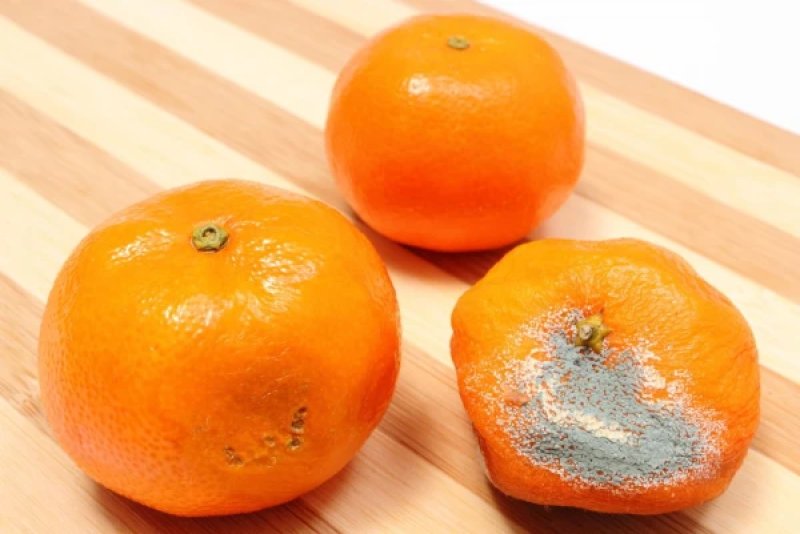
Mold on fruits is a common problem. Sometimes it seems that it is enough to remove a small spoiled area, and the product is fit for consumption again. In some cases, this is indeed permissible. However, visible mold does not always indicate the real extent of the damage, [reports](https://www.verywellhealth.com/can-you-eat-moldy-fruit-after-cutting-off-the-bad-part-12031148) Verywell Health. The main rule is quite simple: the softer and juicier the fruit, the less likely it is to be saved. ## Hard Fruits: Mold Can Sometimes Be Cut Off If mold appears on a firm fruit with relatively low moisture content — such as an apple or some hard varieties of pears — it is not always necessary to throw it away entirely. A small affected area can be removed along with the surrounding healthy flesh. The original recommendations mention a mold spot with a diameter of less than one inch — about 2.5 centimeters. It is important not to run the knife directly through the moldy area. Otherwise, spores and other contaminants may get onto the blade and then spread to the part of the fruit you intended to keep. ## Soft Fruits Are Better Discarded A completely different rule applies to soft and juicy fruits. If mold appears on a peach, berries, or an orange, it is safer to discard the entire fruit. Due to the high moisture content, the fungus can penetrate significantly deeper than it seems upon external inspection. In other words, a small spot on the surface does not necessarily mean that only that area is affected. It is also advisable to throw away the fruit entirely if signs of mold appear in several places at once. ## What to Do If One Berry Is Moldy Mold on one strawberry or raspberry does not necessarily mean that the entire contents of the package should be thrown away. If one or two berries are spoiled, they should be discarded. It is also recommended to remove berries that were in direct contact with the moldy ones. The remaining berries can be carefully inspected and, if there are no signs of spoilage, consumed. ## Why It’s Not Enough to Just Remove What Is Visible Mold consists of microscopic fungi. The visible fluffy coating is just part of the problem. Mold forms spores that can spread to other products, and its structures can penetrate into the food. This happens especially easily in products with high moisture content. Therefore, a soft fruit may be affected deeper, even though only a small area appears spoiled on the outside. At the same time, mold itself does not always pose the same level of danger. There are products where certain types of mold are intentionally used in their production — for example, some cheeses. However, accidental mold on spoiled products is a completely different situation. Some types can provoke allergic reactions or respiratory problems. Additionally, certain mold fungi can produce mycotoxins — toxic substances that can harm health. The problem of mycotoxins is particularly known in relation to grain products, nuts, and spices. ## How to Prevent Fruits from Molding Too Quickly It is impossible to completely eliminate the appearance of mold, but it is quite feasible to reduce the risk. Even in the store, it is worth carefully inspecting fruits and not forgetting to check the area near the stem — that is where the first signs of spoilage sometimes hide. Do not buy significantly more fruits than the family can eat in the near future. The longer products sit at home, the higher the likelihood that some of them will have to be thrown away. Most fruits last longer in the refrigerator. This includes peaches and pears, which many are accustomed to keeping at room temperature. The refrigerator itself also needs to be cleaned regularly — experts recommend doing this at least once a month. Low temperatures slow the development of many microorganisms, but do not guarantee that mold cannot grow there at all. ## Cut Fruits Require Special Attention Once a fruit is cut, storage conditions become even more important. Cut fruits should be covered with plastic wrap or placed in a sealed container and stored in the refrigerator. Canned fruits should be transferred to a clean container after opening the can and also placed in the refrigerator. If it becomes clear that the purchased fruits will not be eaten in time, they can be cut and frozen. ## Why You Shouldn’t Wash Fruits in Advance Another common mistake is washing the entire package of berries or other fruits at once and then putting them away for storage. From a convenience standpoint, this seems reasonable, but excess moisture creates a favorable environment for mold development. Therefore, it is better to wash fruits just before consumption. For regular washing, running water is sufficient. It is not necessary to use baking soda or vinegar, and they can alter the taste of the product. It is recommended to wash even fruits with skins that a person does not plan to eat. For example, a watermelon should be rinsed before cutting: dirt from the surface of the rind can get onto the knife and then onto the flesh. There is no universal rule of "cut off the mold — and you can eat it." A firm apple or a hard pear with a small affected area can sometimes indeed be saved by carefully removing the spoiled part. But with soft and juicy fruits, it is better not to take risks: a peach, orange, or individual soft fruit with mold is safer to throw away entirely. And most importantly — do not only rely on the size of the visible spot. In products with high moisture content, mold can spread inside long before it becomes noticeable to the naked eye.
