

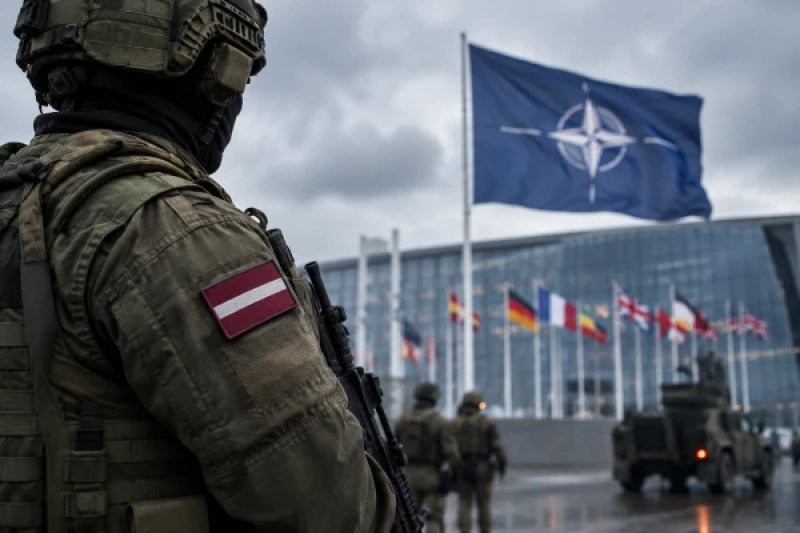
As [The Guardian](https://www.theguardian.com/world/2026/sep/20/baltic-spy-chiefs-warn-moscow-is-preparing-for-more-decisive-action-in-europe?utm_source=chatgpt.com) reports, over the past week, the publication has separately spoken with the heads of the intelligence services of Latvia, the Czech Republic, and Sweden. All three acknowledge an increase in Russian activity, but they assess the risk of direct military escalation differently. Mežviets stated in an interview held at the VDD headquarters in Riga that the Latvian service **does not see signs of an imminent attack**. At the same time, he noted signs of Moscow's preparation for more decisive actions in Europe, although it remains unclear whether this pertains to a specific plan or a strategy of intimidation and destabilization. According to the head of the VDD, the nature of diversionary activity is also changing. While the goal was often simply to create panic in the past, attention is increasingly shifting to **railway infrastructure, support facilities for Ukraine, and defense industry enterprises**. A similar assessment was given by other intelligence leaders. The head of the Czech BIS, Michal Koudelka, did not rule out limited provocations or incursions into NATO territory, while the head of Swedish military intelligence, Thomas Nilsson, described recent incidents involving armed drones as a sign of a new, more dangerous stage of confrontation. At the same time, representatives of the Baltic states warn against panic. In Riga, it is believed that excessive talk about an inevitable attack could play into the hands of the Kremlin, amplifying fear and uncertainty in society. The main risk for Europe, according to intelligence services, is now associated not so much with a direct attack as with an increase in diversions, attacks on infrastructure, and other actions below the threshold of open war. For Latvia, this primarily means the need to protect transportation, defense, and Ukraine support infrastructure.
