

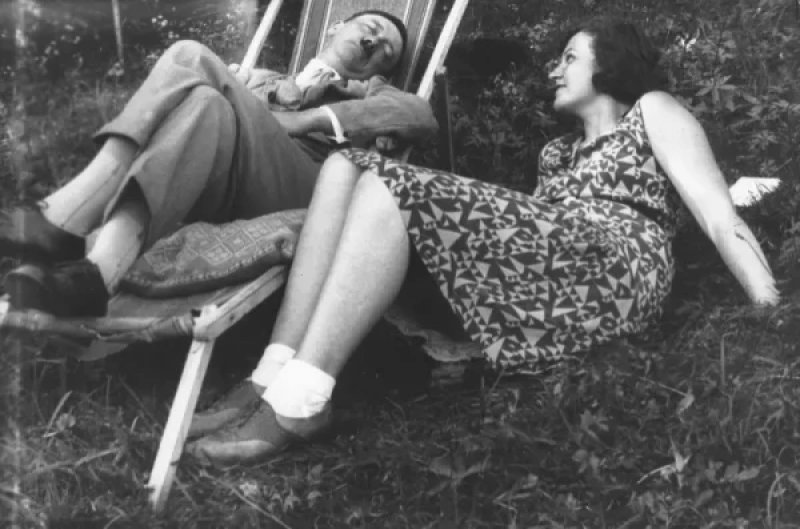
As [reported](https://nypost.com/2026/09/24/us-news/hitler-may-have-murdered-his-23-year-old-niece-new-evidence-suggests/) by the New York Post citing The Telegraph, Geli Raubal was found shot in Hitler's Munich apartment in September 1931. A pistol belonging to him was nearby. The young woman's death was officially ruled a suicide. ### Mysterious Death Geli Raubal was the daughter of Hitler's half-sister Angela. She lived in his apartment in Munich, and the nature of their relationship has been the subject of numerous debates and speculations over the decades. According to the accepted version, Raubal's body was discovered on September 19, 1931. It was believed that by that time, Hitler was already in Nuremberg, and therefore could not have been directly involved in her death. However, Harald Zandner claims to have found official documents with a different date. According to him, Raubal's body may have been discovered as early as September 18 — about a day earlier than previously thought. If this dating is correct, then Hitler was still in Munich at that time. Thus, one of the main circumstances that excluded the possibility of his direct presence at the time of his niece's demise is now in question. ### Murder Hypothesis Zandner believes that the documents he found provide serious grounds for revising the previous timeline of events. It is the change in the date of death that allows him to propose a hypothesis regarding Hitler's possible involvement in Raubal's death. At the same time, the new data do not, in themselves, prove that Raubal was murdered, nor do they establish who exactly might have been responsible for her death. This is about a new historical version based primarily on the alleged discrepancy in dates. The story of Geli Raubal's death has been a subject of debate for almost a century. The official version stated suicide; however, the circumstances of the tragedy, the young woman's relationship with Hitler, and the weapon belonging to him have repeatedly provided grounds for alternative hypotheses. Now, the documents discovered by Zandner add another question to this story: if Geli indeed died earlier than previously thought, then Hitler's former alibi requires reassessment. Thus, the sensation lies not in proving murder but in the possible alteration of the timeline of events. If the historian's conclusions are confirmed, one of the main mysteries of Hitler's biography will receive a new direction for research — however, the available data do not yet allow for claiming that he killed his niece.
