

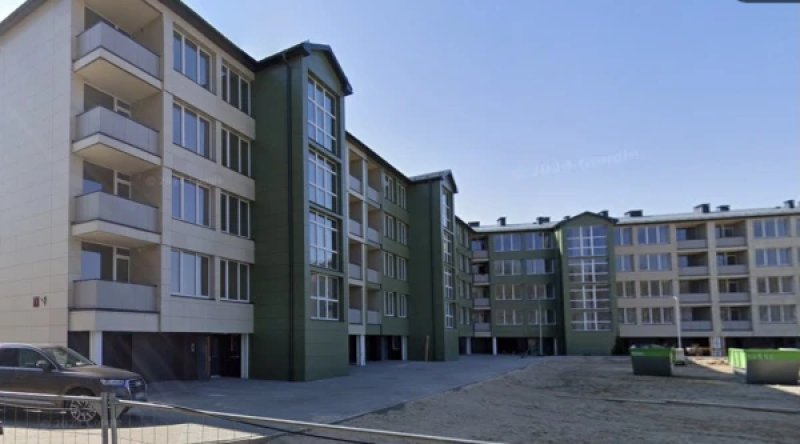
A conflict has erupted between apartment owners and the management company Interbau nami in the new residential complex Rīgas vārti in Salaspils. Residents claim that after an attempt to change the management of the building, serious service issues arose. This was reported by the Bez Tabu program on [TV3](https://tv3.lv/beztabu/nejedzibas/neizved-atkritumus-atsledz-liftus-apsaimniekotajs-salaspili-atriebjas-iedzivotajiem/). According to the residents, in recent weeks, trash has not been regularly taken out near the building, leading to large accumulations of waste. Additionally, the elevators have been turned off. Apartment owners believe this is related to the escalating conflict with the management company. As resident Māja explained, questions about the quality of management had arisen before, but the situation sharply deteriorated after a number of tariffs were increased. > “Without any warning, the fees for garbage collection, electricity for common areas, and elevator maintenance increased. Moreover, a new line appeared in the bills — building insurance. No one explained what this policy is and under what conditions it operates,” she said. The building has 93 apartments, but only 36 have been sold so far. The rest belong to the developer — Interbau, which previously transferred the management of the building to Interbau nami. According to residents, this led to a situation where the developer is simultaneously the largest owner of apartments and controls the management company. Residents attempted to organize a vote to change the management, but encountered the peculiarities of current legislation. > “Even if all apartment buyers are on one side, we cannot gather 51% of the votes at the meeting. He (the owner of the remaining apartments) understands this perfectly. But he himself, if none of us supports him, also cannot get 51%. The law stipulates that if one owner owns more than half of the apartments, then at the general meeting they cannot have more than 50% of the votes. This results in a deadlock situation,” said apartment owner Marita. The owner of Interbau nami and one of the project's developers, Gints Frelih, informed residents in correspondence that separate payments for some management services will no longer be charged for the apartments owned by Interbau. In a conversation with journalists, he refused to comment in detail on the conflict. > “The residents are adults, they make their own decisions and, accordingly, come to a certain situation. I would not like to discuss this issue publicly,” Frelih stated. A property management specialist interviewed by the program, Vitols Peipinsh, believes that if the management company does not fulfill its duties, residents can contact the police to request the initiation of an administrative process. According to him, for such violations, the law provides for fines of up to 1,400 euros for individuals and up to 14,000 euros for legal entities. The Ministry of Economics also believes that such situations reveal gaps in legislation. The director of the housing policy department, Mārtiņš Auders, noted that if individual owners are illegally granted benefits when paying for services, the other residents have the right to contest this in court. Additionally, according to a ministry representative, during the court proceedings, owners can petition for interim measures to temporarily transfer the management of the building to another management company. The conflict surrounding the residential complex shows the difficulties that apartment owners may face if the majority of the premises remain in the hands of the developer while simultaneously controlling the management of the building.
