

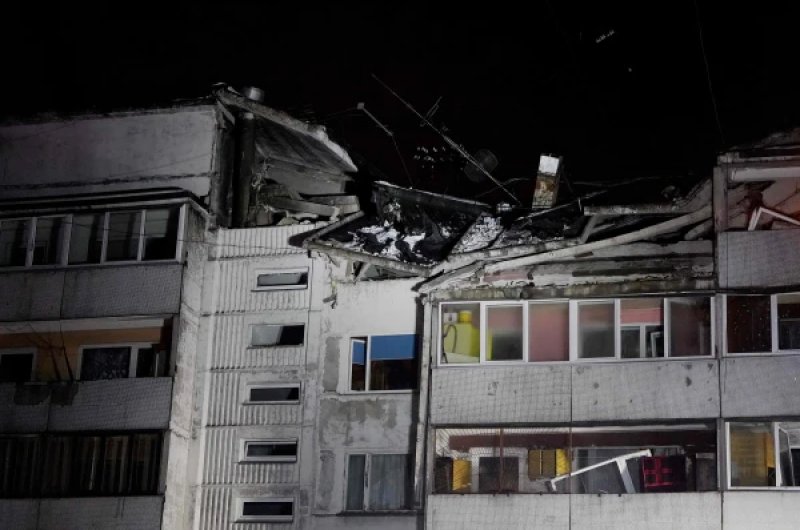
The explosion in a residential building on Bauskas Street, 15 in Riga has become not only one of the most discussed tragedies of this year but also a reason to talk about how residents of apartment buildings perceive overall safety. This topic is the focus of a new episode of the podcast [TV3](https://tv3.lv/raidijumi/citi-sovi/drosi-vien-nedrosi/rugtas-macibas-pec-spradziena-bauskas-ielas-dzivoklu-maja-podkasts-drosi-vien-nedrosi/) "Safer than Unsafe." At the beginning of the year, one of the residents illegally dismantled the gas pipeline, after which the explosion occurred. Part of the building was destroyed, two people died, and dozens of families lost the ability to live in their apartments. The building's supervisor, Andris Vikse, said that just a month before the tragedy, residents discussed the possibility of insuring the building. He suggested taking out insurance for common property, but most owners did not support this idea. > "Many said, 'The building has been standing for 40 years, nothing has happened.' But all tragedies begin long before the actual incident," noted Vikse. According to him, one of the main problems with apartment buildings is that many perceive responsibility only within their own apartment and do not pay attention to what is happening around them. > "People think, 'I have an apartment,' and do not look beyond this small world. Sometimes you need to make a remark to a neighbor if they are acting incorrectly. Looking back, I realize that all tragedies begin long before the actual incident," he said. TV host Maris Grigalis, who also participated in the conversation, shared that after moving to a private house, he took out the most comprehensive property insurance. According to him, it is the presence of insurance that makes one pay more attention to safety issues. As an example, he recalled how a strong wind carried a trampoline to a neighboring plot, as well as a case where a stone from a truck's wheels damaged a car's windshield. In both cases, the expenses were covered by the insurance company. Particular attention was given by the podcast participants to the consequences of the tragedy for the residents of the building. After the explosion, residents of 75 apartments were forced to leave their homes. They were only able to return home more than four months later — on May 11. > "People literally lived out of suitcases. What psychological stability can we even talk about?" said Vikse. In his opinion, the crisis after the explosion is not yet over. Now the main task is not only to restore the building but also to build a management system based on the joint work of the residents. Maris Grigalis also believes that the safety of an apartment building is impossible without constant communication between neighbors. According to him, any serious changes or work should be discussed collectively, rather than carried out at the initiative of individual residents. Vikse is convinced that many tragedies can be prevented if people do not ignore potentially dangerous situations. > "If we do not insure property, do not report violations, and do not respond to dangerous situations, the risk remains with us. All this gradually accumulates and can one day lead to a tragedy," he emphasized. The story of the building on Bauskas Street serves as a reminder that the safety of an apartment building depends not only on the technical condition of the building but also on the responsibility of each of its residents.
