

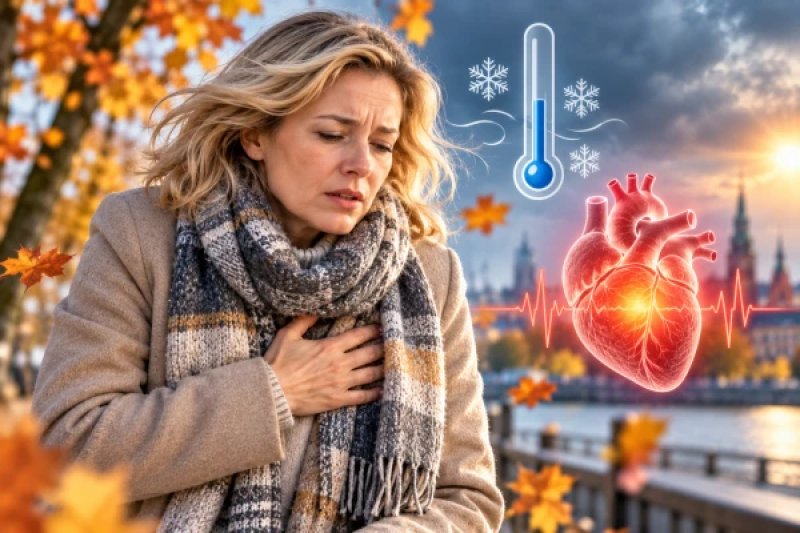
Such changes can be particularly acute for people prone to high or low blood pressure. Symptoms include weakness, chills, dizziness, headaches, and sometimes a more noticeable heartbeat. As neurologist Alexey Mamatov told "Doctor Peter," meteorological sensitivity is not a separate diagnosis in itself. It refers to the body's reaction to changes in external conditions. ### What Happens to Blood Vessels in the Cold When the temperature drops, the body strives to retain heat and alters the tone of peripheral blood vessels, redistributing blood flow. If the regulatory system functions normally, a person may hardly notice anything. However, with unstable blood pressure, heightened vascular response, or constant nervous tension, adaptation can be accompanied by unpleasant sensations — chills, heaviness in the head, weakness, and dizziness. Sometimes the pulse quickens. In those prone to hypertension, the cold can be accompanied by headaches, a feeling of tension, and increased blood pressure. In those prone to hypotension, weakness, dizziness, and darkening of vision upon standing are more common. ### Why the Heart Starts Beating Faster The mere change in temperature does not necessarily mean that a person will develop arrhythmia, the doctor emphasizes. However, sensations of heartbeat or irregularities can become more noticeable if there is also lack of sleep, stress, dehydration, excess caffeine, or alcohol. Thus, the feeling of "I feel the weather in my heart" can sometimes conceal several factors. In autumn, another problem arises — a decrease in physical activity. The more time a person spends sitting, the worse the leg muscles function, which help return venous blood to the heart. A sedentary lifestyle can contribute to venous stasis and worsen the overall fitness of the cardiovascular system. Lack of sleep also plays a role. It maintains nervous tension, which, in turn, can affect vascular tone and heart rhythm. ### How to Help the Body Adapt to the Cold After spending several hours in a warm room, the doctor does not advise going out into the cold abruptly. Before a walk, it is helpful to walk around for a few minutes, warm up the ankle joints, and do some movements with the arms and shoulders. With the onset of autumn, it is not advisable to completely give up walks. Regular moderate activity at a comfortable pace is more beneficial for the blood vessels than rare intense loads. For those who sit for long periods in front of a computer or television, it is recommended to stand up approximately every 40–60 minutes, walk a bit, rise onto the toes, or roll from heel to toe. It is also important to remember about water. In cold weather, the feeling of thirst becomes less pronounced, so a person may unconsciously begin to drink less. ### Be Careful with Coffee and Salty Foods Trying to constantly warm up with coffee or strong tea is also not the best idea. For those prone to a rapid heartbeat, excess caffeine can exacerbate unpleasant sensations. People with high blood pressure are advised by the doctor to pay attention to their salt intake. In autumn, the menu often includes more soups, pickles, sausages, and smoked foods, and excess salt can contribute to fluid retention and increased blood pressure. According to Mamatov, a common autumn mistake is to move less, sleep worse, increase coffee and salty food intake, and at the same time reduce water consumption. In such a situation, a change in the weather becomes just an additional provoking factor. ### If Blood Pressure Rises For those prone to hypertension, it is helpful to move a little before going out into the cold and give the body time to adapt, rather than starting to walk quickly right away. In cases of internal tension, the doctor recommends calm breathing with a longer exhale. At the same time, one should not independently adjust the doses of prescribed medications due to several fluctuations in blood pressure. If readings change regularly after a drop in temperature, the dynamics should be discussed with a doctor. ### If Blood Pressure Drops For those prone to hypotension, it is important to avoid sudden rises from bed or a chair, especially in the morning. Before leaving the house, one can do a few activating movements: roll from heel to toe, do a light warm-up of the feet and ankles, and make calm movements with the arms. The doctor also advises against going out into the cold on an empty stomach, especially if long breaks between meals are accompanied by drops in blood pressure. In such cases, a more even eating schedule may be better tolerated than rare and very large meals. ### When It’s Not Just the Weather In episodes of heart palpitations, it is important to pay attention to the combination of factors. For example, if irregularities occur after lack of sleep, several cups of coffee, and subsequent exposure to the cold, the cause of the unpleasant sensations may be precisely this combination of circumstances. However, the doctor does not recommend trying to stop pronounced heart rhythm disturbances with breathing exercises or massage. It is impossible to reliably determine whether such an episode is safe based on sensations alone. Pain or pressure behind the sternum, pronounced shortness of breath, fainting, sudden weakness, speech disturbances, or a new strong episode of heart palpitations are symptoms that cannot be simply explained by a change in the weather. In such cases, medical assistance is necessary.
