

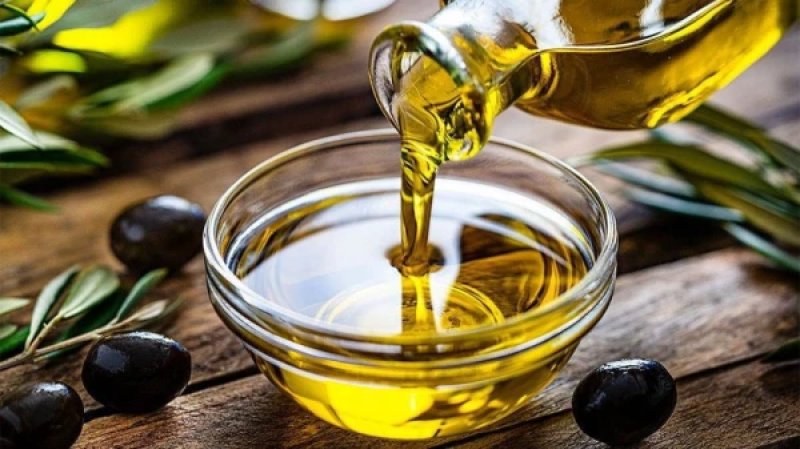
As Martha Stewart writes, citing dietitians Katie Conrad-MacCoy and Roxana Ehsani, regular consumption of olive oil can support heart, gut, and brain health, as well as help the body combat inflammation and oxidative stress. At the same time, specialists emphasize that the oil is not a "magic cure," and its benefits depend on the overall diet. ### May Reduce Inflammation Olive oil primarily contains monounsaturated fats, including oleic acid. Additionally, it contains phenolic compounds—oleuropein, hydroxytyrosol, oleocanthal, and oleacein. According to Ehsani, these substances can affect the processes involved in the inflammatory response. Extra virgin olive oil, in particular, is rich in such compounds. ### Helps Fight Oxidative Stress Oxidative stress occurs when there is an imbalance between free radicals and antioxidant defenses in the body. As a result, DNA, proteins, and fats in cells can be damaged. The antioxidant components of olive oil may help combat such processes. The authors of the material note that chronic oxidative stress is associated with a range of diseases. ### May Support Gut Health Another possible effect is related to the gut microbiota. According to Conrad-MacCoy, a high amount of saturated fats can adversely affect the gut microbiome. Replacing some of these fats with sources of unsaturated fatty acids, including olive oil, may be a more favorable option. Monounsaturated fats may also contribute to reducing inflammatory processes in the gut. ### Beneficial for the Brain A significant portion of the fats in olive oil is monounsaturated. Additionally, the phenolic compounds it contains have antioxidant properties. This is important for the nervous system, as oxidative damage can affect nerve cells. According to Ehsani, the healthy fats and antioxidant components of olive oil can be part of a diet aimed at maintaining brain health. ### Supports Heart Health The role of olive oil in nutrition for the cardiovascular system is particularly well studied. Monounsaturated fats and phenolic compounds can positively influence the lipid profile. Conrad-MacCoy also notes a potential increase in HDL—the so-called "good" cholesterol. Furthermore, the reduction of inflammation and oxidative stress is also considered one of the factors contributing to the health of blood vessels and the heart. ### How Much Olive Oil Can Be Consumed Daily Ehsani names **one tablespoon** as the standard portion. With a diet of approximately 2000 calories, one to two tablespoons of olive oil per day can constitute part of the overall fat intake. This does not mean that one needs to drink oil by the spoonful or on an empty stomach. It can be used for cooking, added to salad dressings, drizzled over roasted vegetables, hummus, or toast. Although heating may slightly reduce the amount of some beneficial compounds, a significant portion of the oil's properties remains intact. The main thing is not to view olive oil as a universal remedy for health. It provides the greatest benefits as part of a balanced diet that includes vegetables, fruits, whole grains, legumes, fish, and other sources of healthy fats.
