

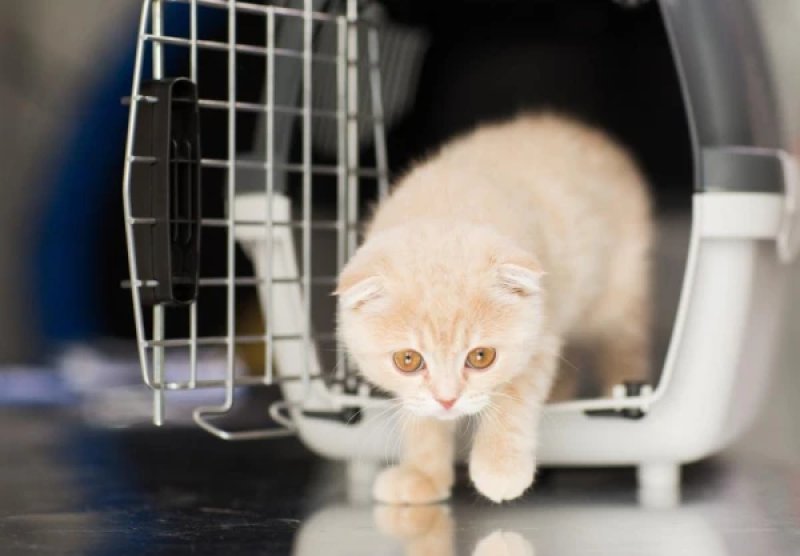
Statistics indicate that the number of pet owners has increased. However, many newcomers to the world of cats do not realize that their pets, like puppies, require some training. Research shows that cats need support to adapt to life with humans. Simple training methods can not only make life with a pet easier but also significantly improve its well-being. Scientists have established that cats are capable of recognizing social signals and responding to them. Moreover, they can perform the same tasks as dogs. Lauren Finka from Nottingham Trent University and Daniel Cummings from the charity Cats Protection assert that cats have many advantages, and simple training rules can greatly ease life for both owners and the animals themselves. For example, this will help the cat feel comfortable in the carrier, get used to car trips, tolerate grooming, or veterinary check-ups. The scientists described 5 simple steps to help teach a cat to get into the carrier and settle there. Step 1. Lure onto a Blanket Scientists recommend using a blanket and a place where the cat already feels safe. Lure the cat onto the blanket with food and reward it with treats for staying on it. Feed the treat at nose level to encourage the cat to sit, then at ground level to get it to crouch, and finally, to lie down on the blanket. Step 2. Use the Carrier Once the cat masters the first step, move on to the second. Place the blanket at the bottom of the open carrier and repeat the same steps with treat rewards. Step 3. Close the Carrier When the cat is comfortable in the new spot, place the lid on top of the carrier, but do not close the door. Continue the process of rewarding with treats. Step 4. Place the Door on the Carrier After the cat is comfortable in the carrier with the closed roof, put the door in place but do not close it so the animal does not feel trapped. Slowly start to slightly close the door and then open it again, giving the cat a treat each time. Do this gradually until the door can be fully closed—start with a few seconds and then open the door again. Feed the cat treats through the closed door. Step 5. Almost Done Scientists advise continuing the procedure with the door closed and rewarding with treats, gradually increasing the time the door is closed by a few seconds each time. It is important to note that each training session for the cat should last no more than a few minutes. The scientists also warn that some cats prefer to train no more than once a day, while others can manage two or three sessions. The process of training a cat can take a long time—there may be several days or even weeks between the first and last steps.
