

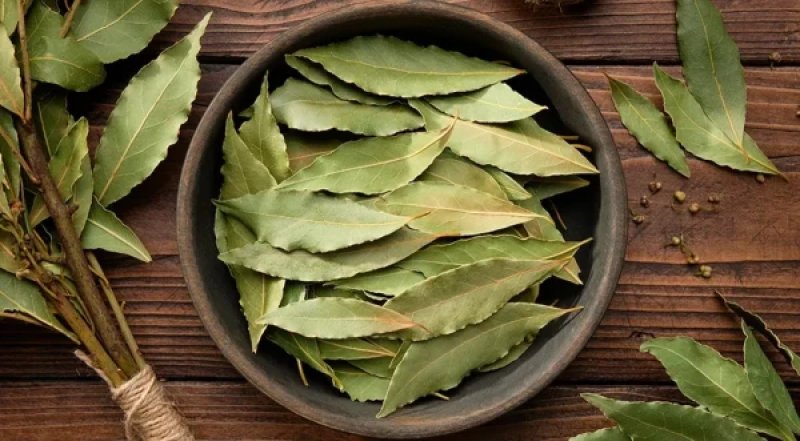
Dried bay leaves are increasingly being placed directly in pots with houseplants. The secret lies in the characteristic aroma of the spice. Bay laurel contains essential compounds, including cineole and eucalyptol, whose scent can be unpleasant to some pests. To use this method, simply place a dried bay leaf on the surface of the soil. If desired, it can be lightly buried, but this should be done carefully to avoid damaging the plant's roots. There is no need to prepare infusions or complex solutions. Over time, the leaf will naturally decompose. However, it should not be relied upon as a complete fertilizer: the nutrients in such a quantity are insufficient to replace fertilizers. There is also an important nuance. Bay leaves are more suitable for prevention rather than for combating an already serious infestation. If a large number of pests appear on the plant, just the spice will not be enough — a full treatment will be necessary. It is also not advisable to cover the soil with a large number of leaves. An excess of organic matter on the surface of the soil in a small pot can hinder normal air exchange and contribute to increased humidity. Thus, bay leaves can be considered a simple additional method of caring for houseplants, but not a universal remedy for pests.
