

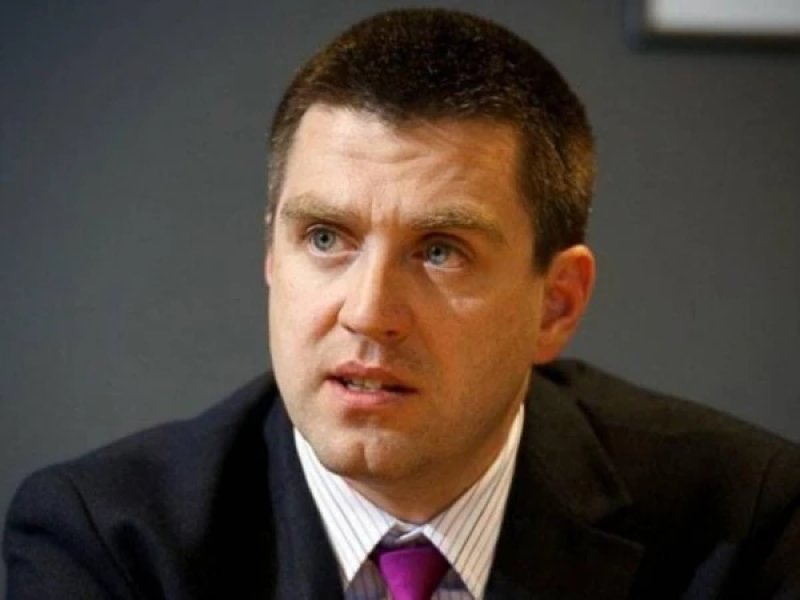
These and other questions were discussed in a post-election debate on nra.lv TV. In a conversation with journalists Kristine Kravcova and Philips Raevskis, former Latvian Foreign Minister Janis Jurkans and political scientist Andis Kudors participated. One of the central topics was the possibility of negotiations between the European Union and Russia to end the war. The participants of the discussion pondered whether the EU should initiate such a proposal and whether Moscow would agree to talk to Latvian politicians if it refused to negotiate with the head of European diplomacy, Kaia Kalas. The experience of Finland in building relations with Russia was also discussed, as well as the historical lessons of Latvia from 1939–1940. At that time, attempts to maintain good-neighborly relations with the USSR did not prevent the occupation of the country and the subsequent repressions that destroyed a significant part of the educated, enterprising, and active population. In this context, a harsh formulation emerged that "you can only start talking to bandits after breaking their noses and fingers." The discussion revolved around the positions from which negotiations should be conducted with the aggressor. Another topic was the approximately 400,000 Russian-speaking residents of Latvia. The participants of the conversation discussed whom these people look up to — whether they listen to the Russian ambassador or feel their belonging to the Latvian state by participating in elections and supporting local political parties. Particular attention was paid to the voting results in Latgale and what they might indicate about the political sentiments in the region. The discussion addressed why it is important for political forces to openly express their stance on current events, and what concerns arise from politicians who evade the question of Crimea's belonging. The participants raised the question: if a politician cannot directly say to whom Crimea belongs, can they equally definitively answer to whom Daugavpils or Narva belong if military actions affect the Baltic countries?
