

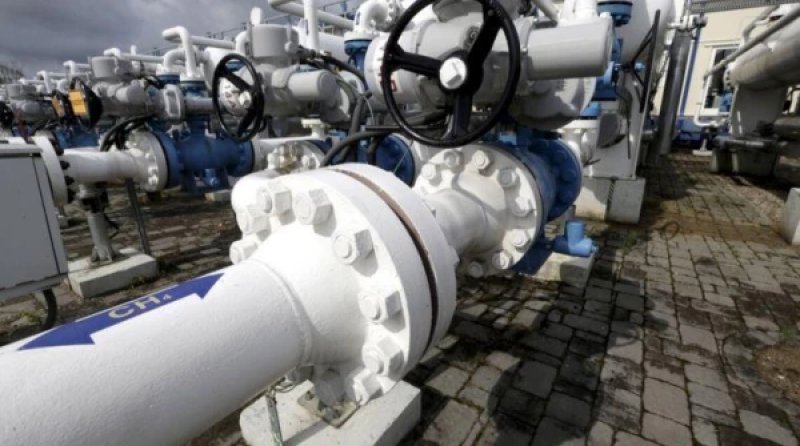
 Foto: BB.LV / газопровод
Currently, natural gas futures at the Dutch TTF hub for November delivery have once again exceeded 80 euros per MWh after a slight decline at the end of September. The increase in wholesale prices has been influenced by the war in Iran, which has restricted global gas supplies. An additional risk factor remains the low level of reserves in European storage facilities. Following the onset of Russia's full-scale invasion of Ukraine in 2022, the European gas market has become more flexible. Pricing mechanisms have changed, contract durations have shortened, and as a result, retail gas prices now respond more quickly to fluctuations in wholesale quotes, notes the ECB. In more than half of the eurozone countries, changes in wholesale prices are reflected in consumer gas prices within one to three months. "The speed of price transmission depends on the characteristics of the national market and existing regulatory rules. If the gas price is tied to exchange quotes, changes will be reflected in the price as early as the next month. With a fixed tariff, everything depends on the terms of the contract and its duration. Under the universal service, the price is set for six months. Therefore, the speed of response to market fluctuations is determined by the chosen tariff," explains SEB bank economist Dainis Gashpuitis. The same mechanism applies when gas prices decrease. Price fluctuations in gas most significantly affect industries where gas constitutes a substantial part of production costs or heating expenses. The chairman of the Latvian Biomass Association "LATbio", Didzis Palejs, explains the interconnection between energy resource markets: if gas prices rise, electricity prices in Europe may also increase. In such cases, industrial enterprises may switch to wood pellets, leading to increased demand for them and rising prices. Another vulnerable group consists of industrial enterprises that use natural gas in production processes and for heating. According to Gashpuitis, the rising costs of energy resources particularly impact energy-intensive companies, where energy expenses constitute a significant portion of production costs. As a result, the rise in gas prices may weaken their competitiveness. This primarily concerns manufacturers of building materials, the chemical industry, and other energy-intensive sectors.
