

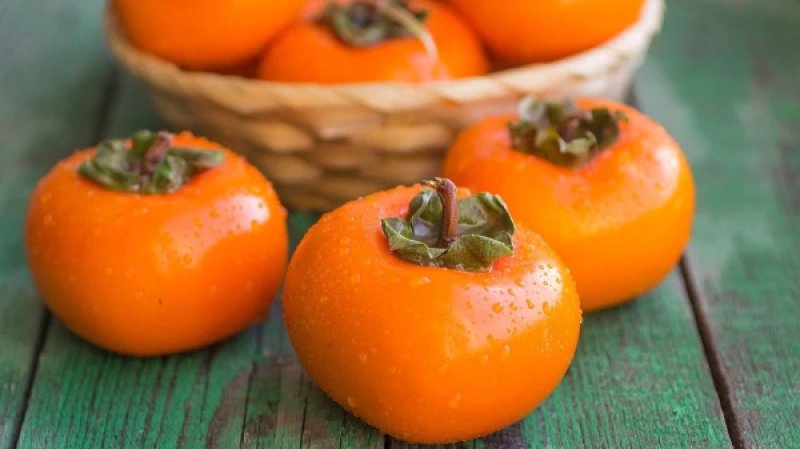
 Foto: BB.LV / Хурма
It turns out that it contains substances that simultaneously promote the absorption of this mineral and hinder it. A biochemist explained how this paradox works and who should pay attention to the popular autumn fruit. The advice to eat persimmons to increase hemoglobin is familiar to many. They are brought to elderly relatives, recommended to pregnant women, and to people who complain of constant fatigue. But how justified are such recommendations? Biochemist and nutrition specialist Anna Divinskaya explained to the publication "Doctor Peter" that persimmons do indeed contain substances beneficial for blood formation, but it would be a mistake to consider it a natural remedy for anemia. ### There is Iron, but It's Not So Simple Persimmons contain iron, which is necessary for the body to form hemoglobin — the protein that carries oxygen from the lungs to the tissues. Additionally, the fruits contain potassium, magnesium, manganese, copper, vitamin C, and carotenoids, including beta-carotene and beta-cryptoxanthin. It is the latter that gives persimmons their characteristic orange color. However, the iron content in persimmons can vary significantly depending on the variety and growing conditions. Most food value reference books provide much more modest figures than those sometimes found in popular publications. But even if the fruit contains some amount of iron, that does not mean the body will be able to fully absorb it. The fact is that the iron in plant products is primarily in the non-heme form. This type of iron is absorbed less efficiently than heme iron, which is found in meat and other animal products. According to research, the absorption of non-heme iron can range from about 2 to 20%, while heme iron ranges from 15 to 35%. These figures depend on dietary composition and individual characteristics of the body. ### Vitamin C Helps, While Tannins Hinder This is where it gets interesting. Persimmons contain vitamin C, which can enhance the absorption of non-heme iron. Ascorbic acid helps the body absorb iron from plant foods. This mechanism has been studied in detail, particularly by Swedish researcher Lars Hallberg. It would seem that the combination of iron and vitamin C makes persimmons especially beneficial for maintaining normal hemoglobin levels. But this fruit has another characteristic. Persimmons contain tannins — plant compounds that give unripe fruits their characteristic astringent taste. It is the tannins that can bind iron in the digestive tract, hindering its absorption. This creates a kind of contradiction: some substances in persimmons help the body obtain iron, while others hinder this process. According to the specialist, the final result depends on the variety of persimmon, its ripeness, and the foods with which it is consumed. Therefore, one should not expect that eating a few fruits daily will significantly increase hemoglobin levels. ### Why Even with Normal Hemoglobin One Might Lack Energy Another important point is related to the so-called hidden iron deficiency. Sometimes a person experiences constant fatigue, weakness, and decreased performance, even though their hemoglobin levels in tests remain normal. The reason may lie in the depletion of iron stores in the body. Assessing these stores can be done through a ferritin test, although its results must be interpreted considering health status and possible inflammatory processes. Research shows that iron deficiency without pronounced anemia can also be accompanied by increased fatigue. In some cases, replenishing iron deficiency does help reduce fatigue. However, this does not mean that the problem can be solved solely by changing the diet. If the deficiency is confirmed in the lab, the doctor should determine its cause and whether iron supplements are needed. Persimmons can remain part of a varied diet, but they do not replace treatment. ### Why Persimmons Can Help You Feel an Energy Boost Even if persimmons are not an effective means of increasing hemoglobin, they have other beneficial properties. First of all, this fruit contains carbohydrates, including glucose and fructose. After consumption, they participate in energy metabolism and provide cells with an accessible source of energy. Therefore, persimmons can be a convenient snack during the workday or before physical activity. They also contain dietary fibers — both soluble and insoluble. Fiber promotes normal bowel function, helps maintain a feeling of fullness, and slows down carbohydrate absorption. However, the blood sugar response to persimmons is individual and depends, in particular, on the portion size and overall dietary structure. ### Which Persimmon is Healthier — Firm or Soft? When choosing persimmons, specialists advise paying attention to their ripeness. Unripe fruits of some varieties contain a large amount of soluble tannins. These are what cause the unpleasant sensation of dryness and astringency in the mouth. As they ripen, some of these compounds convert to an insoluble form, making the fruit less astringent. Ripe persimmons usually have a softer pulp and a pronounced sweet taste. There are also varieties that have little to no astringent properties even in a relatively firm state. For example, the popular "Korolek" often has a more pleasant taste due to a lower amount of soluble tannins. If the purchased persimmon is too astringent, it can be left to ripen. Freezing followed by thawing also helps reduce the astringency sensation, although this does not mean complete destruction of tannins. It is especially important not to overindulge in highly astringent unripe fruits: in rare cases, consuming a large amount of such persimmons can lead to the formation of dense food masses in the stomach. ### What is Best to Pair with Persimmons? If the goal is to maintain adequate iron intake from food, it is important to pay attention not only to individual products but also to their combinations. Persimmons can be included in the diet along with buckwheat, legumes, greens, and other plant sources of iron. It is also beneficial to consume foods rich in vitamin C, which aids in the absorption of non-heme iron. However, strong tea and coffee consumed during iron-rich meals can reduce its absorption due to the polyphenols they contain. In cases of established iron deficiency, dietary specifics and the timing of supplements should ideally be coordinated with a doctor. ### Can Persimmons Replace Iron Supplements? The biochemist emphasizes: persimmons are a healthy seasonal fruit, but not a treatment for iron deficiency anemia. Even regular consumption of the fruit does not guarantee an increase in hemoglobin. Moreover, low hemoglobin is not always solely related to iron deficiency. Its decrease can be caused by a deficiency of vitamin B12, chronic diseases, blood loss, and other reasons. Therefore, if there are persistent symptoms of weakness, dizziness, pale skin, or shortness of breath, it is necessary to consult a doctor and undergo an examination. Persimmons deserve a place in the autumn diet due to their fiber, vitamins, and antioxidants. However, one should not rely on them as a means to increase hemoglobin. The tannins present in the fruit can hinder iron absorption, and the amount of iron in the fruit itself is relatively small. Therefore, persimmons are best viewed as a delicious addition to a balanced diet rather than a substitute for medication.
