

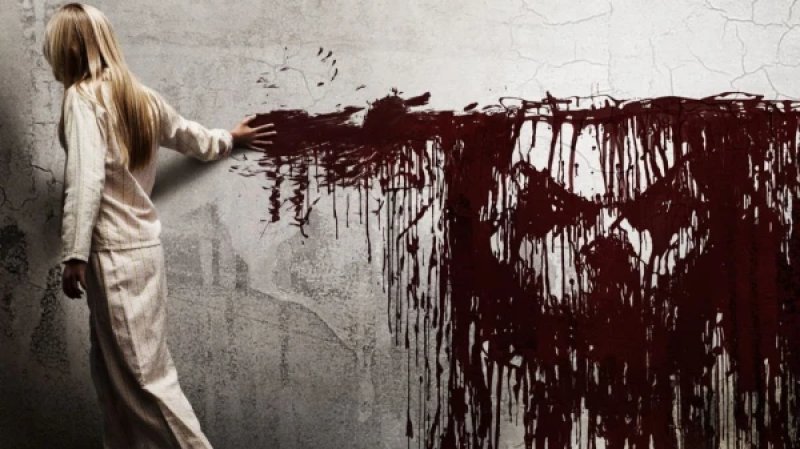
 Foto: BB.LV / Ученые измерили страх: назван самый жуткий фильм ужасов в истории кино
The creators of the Science of Scare Project aimed to find out which films elicit the strongest physiological reactions from viewers. To do this, volunteers were asked to watch well-known horror films while simultaneously tracking changes in heart rate and other heart function indicators. This approach allowed for an assessment not only of the subjective impressions of viewers but also of their body's reactions to what was happening on screen. According to the updated ranking results, the first place was once again taken by the mystical horror "Sinister" directed by Scott Derrickson, released in 2012. The film tells the story of a writer who moves with his family into a house where a brutal murder previously occurred. Upon discovering old videotapes, he gradually uncovers a terrifying secret related to the deaths of several families. Researchers found that during the viewing of "Sinister," the heart rate of the experiment participants noticeably increased. High tension levels allowed the film to maintain its leadership in the ranking. According to the project authors, the secret of the film's impact lies in the combination of a disturbing atmosphere, unexpectedly frightening scenes, and sound design that hardly allows the viewer to relax. However, new horror films have also managed to surprise researchers. Particular attention in the 2026 report was drawn to the film "Insidious: Out of the Further," which set a record for the number of sudden frightening moments. Such episodes, known as jump scares, cause sudden spikes in pulse and make viewers literally jump in their seats. Another notable participant in the study was the horror "Undertone." Its distinguishing feature was not so much the frequency of unexpected frightening scenes but the ability to create prolonged psychological tension. During the film's viewing, participants exhibited a particularly strong decrease in heart rate variability—a measure that reflects changes in the intervals between consecutive heartbeats. In the context of the study, such a reaction is associated with increased levels of stress and anxiety. The project authors emphasize that modern horror films affect audiences in different ways. Some rely on sudden scares, while others gradually intensify the feeling of danger, keeping viewers in constant anticipation of something terrifying. At the same time, the study's results do not mean that every person will be frightened by the same scenes in the same way. The perception of fear depends on personal experience, psychological traits, and even the habit of watching horror films. Nevertheless, measuring heart rate allows for comparisons of viewers' physiological reactions and identifying films that cause the most noticeable tension. And although filmmakers come up with new ways to scare the audience every year, "Sinister," released more than ten years ago, remains the unrivaled leader of this unusual ranking.
