

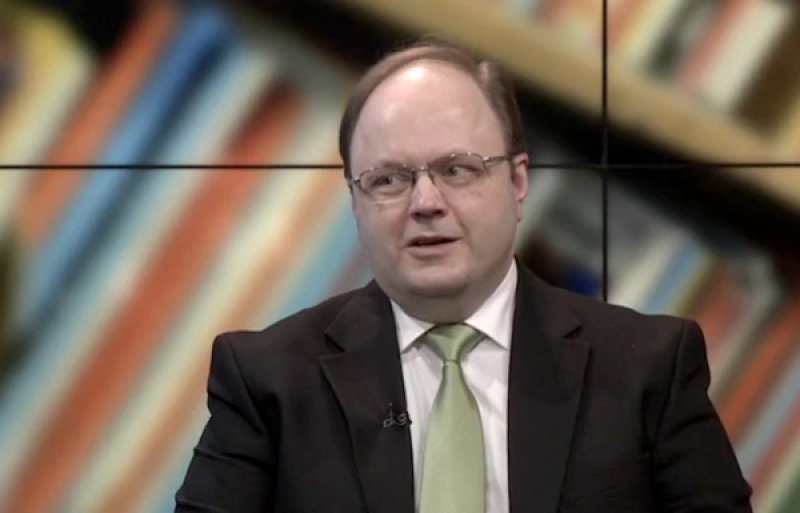
 Foto: BB.LV / Иларс Пойканс
Despite certain changes in the approach of European states to security issues, their actions do not yet inspire confidence in their ability to effectively respond to serious international challenges. This opinion was expressed by researcher Ilmars Poikans from the Artificial Intelligence Laboratory of the Institute of Mathematics and Computer Science at the University of Latvia during the "Press Club" program on TV24, as reported by [LA.LV](https://www.la.lv/poikanam-nav-parliecibas-par-eiropas-drosibu-neizlemiba-joprojam-rada-bazas). In his assessment, compared to the initial stage of the hybrid war, European countries have begun to act somewhat more decisively. However, the progress made is insufficient to speak of a successful overcoming of existing problems. The researcher is particularly concerned about the inability of European states to timely agree on joint and sufficiently firm actions. Poikans acknowledged that the current response of Europe to security challenges does not personally inspire him with confidence that European countries will be able to consistently defend their interests. Explaining his position, the researcher referred to memories of his childhood and youth in the Riga neighborhood of Kengarags in the 1990s. According to his observations, in relationships between people, confidence and decisiveness were often perceived as manifestations of strength, while excessive politeness and a desire to avoid conflicts could be seen as weakness. Poikans believes that similar patterns may manifest in international relations as well. In his opinion, good intentions, diplomatic politeness, and willingness to engage in dialogue are not enough if they are not backed by the ability to make decisions and take action. Thus, the main question raised by the researcher is not only how aware Europe is of existing threats but also whether it is ready to respond to them decisively enough.
