

 Foto: BB.LV / собрание НАТО
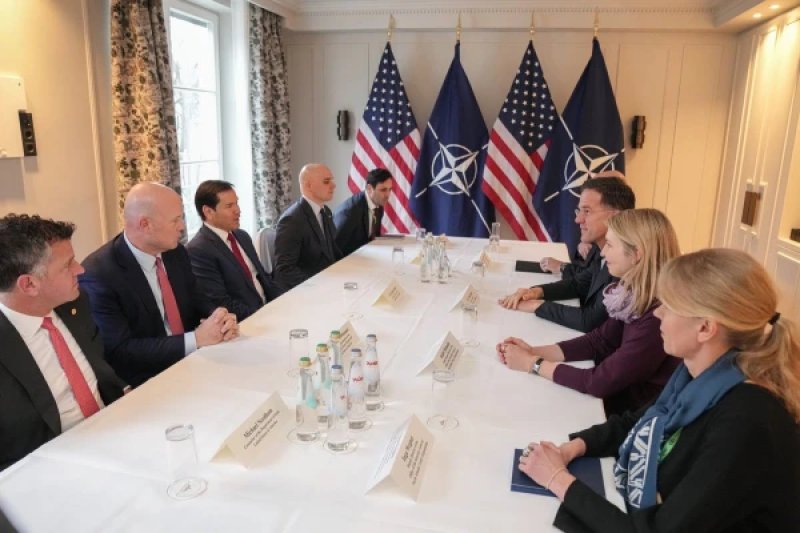
The publication spoke with 15 current and former NATO officials and diplomats and identified five key issues that need to be resolved. The first and foremost is defining the "level of ambition": what amount of troops and military capabilities the allies are willing to provide. It is also necessary to determine how to ensure the supply of conventional weapons and forces, such as ground units or aviation, to nuclear-armed countries like the United Kingdom and the United States. The second question is how to fill the American "gap". There are concerns that the U.S. may withdraw critically important assets for Europe, such as heavy transport aircraft, and Washington's desire to reduce its military presence in Europe will force allies to seek ways to compensate for the losses. "Not long ago, NATO's logic was this: you calculate what the alliance needs, and if something is lacking, the U.S. simply fills those gaps. Now everything is different," noted NATO official Camille Grand. One way is to shift from requirements for specific types of weapons to setting operational tasks, such as destroying Russian command posts. This would provide flexibility for Europeans who do not have access to American systems like Tomahawks. The third question is regional disagreements. After Russia's invasion of Ukraine in 2022, the alliance's focus shifted eastward, and in the last year, northward, towards Greenland. However, some allies want to pay more attention to the southern and southeastern flanks. Among the issues are Russian mercenaries in Libya, the risk of using migration as a weapon, increased submarine activity, and drone attacks on vessels in the Black Sea. The fourth question is what is more important: more drones or more tanks. The dominance of drones on the front in Ukraine is likely to spark a discussion about the balance between unmanned potential and the buildup of traditional equipment - tanks and artillery. According to Grand, the discussion is fueled by personnel recruitment issues faced by European countries: an aging population and a lack of personnel are pushing everyone towards broader use of unmanned systems. Countries also need to keep pace with Russian developments without undermining national defense budgets. French Navy Admiral Pierre Vandier proposed a model similar to a subscription: regular updates of equipment to prevent armaments from becoming obsolete. The fifth question is the lessons from Ukraine. Most allies acknowledge that Ukraine contributes to their security through its numerous, battle-hardened army and rapid technological advancements in air, sea, and ground drones, air defense, missiles, and battlefield management systems like Delta. Some countries are calling for closer military-industrial cooperation. Others are cautious: the war in Ukraine is significantly different from NATO's doctrine, which emphasizes rapid maneuvering, air dominance, and precision strikes at long distances. It was previously reported that European countries are concerned about the collapse of transatlantic relations following Donald Trump's shift towards Russia. Meanwhile, Europe cannot compensate Ukraine for the loss of American military and intelligence assistance: it cannot replace early warning systems for ballistic missile launches, Patriot systems, and the Starlink satellite network.
