

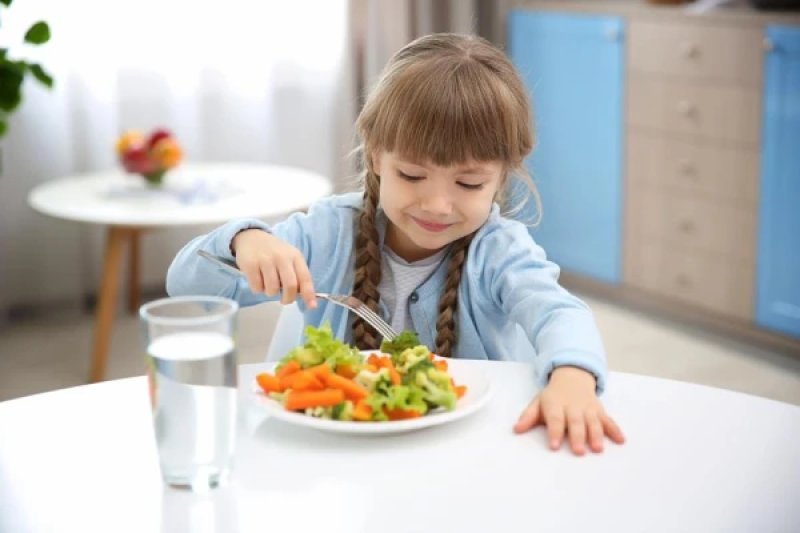
 Foto: BB.LV
“Adult” food refers to food from the common table, and the transition to it is recommended to be gradual after the age of one. However, if the family menu includes “properly” prepared dishes suitable for the child, it can begin earlier. For example, soup made for the whole family with vegetable broth or second broth with vegetables and lean meat is quite suitable for a baby from 10 months. The vegetables should be mashed with a fork, and the meat should be finely chopped. Meatballs and steamed cutlets made from lean meat, prepared for the whole family, can also be suitable for a baby starting from 8–10 months. Where to Start? It is best to start with vegetables mashed with a fork: broccoli, zucchini, cauliflower, potatoes, carrots. By 8 months, we add meat in the form of soft meatballs, cutlets, and soufflés. During this period, it is also important to introduce the child to fish. From 10 months, we diversify the diet with small pasta and grated cheese. For breakfast, you can start giving omelets. After the age of one, more complex dishes can appear in the child's diet: meat soups with various vegetables, pasta with vegetables and cheese, vegetable, meat, and cottage cheese casseroles, vegetable stews. “It is necessary to consider national dietary traditions, so the diet of a young child should be formed from products that are characteristic of their place of residence. The more varied the diet of the baby, the better they will develop physically and intellectually. However, it should not be forgotten that for greater safety, it is recommended to start complementary feeding with industrially produced products. They are developed and adapted specifically for young children, taking into account their needs and the capabilities of the gastrointestinal system. Introducing adult food too early can adversely affect the baby’s digestive system.” Consequences of Not Following Recommended Timelines If the introduction to coarser food begins before 8 months, it can place a significant burden on the digestive system of the small child. As a result, diseases such as gastritis, dyskinesia of the bile ducts, and allergies may develop. Late introduction of adult food is also undesirable. If it begins after 1.5–2 years, the child will have a limited diet, delayed chewing skills for solid food, reduced interest in food, and improper eating behavior will form. Moreover, the child may develop neophobia — a negative attitude towards new products, which will lead to insufficient intake of essential nutrients, vitamins, and trace elements, which, in turn, can lead to serious health problems. Such behavior from the child will become a significant problem for the parents. How to Ease This Stage for Mom and Child? Experts recommend that the transition to adult food should be easy and enjoyable for everyone. It is important to develop the child's interest in food and encourage their desire for new tastes and dishes. Manufacturers of baby food strive to diversify their offerings, which helps develop the child's taste preferences. For example, baby food brands can offer babies from 6 months purees with unusual flavors: oatmeal cookie puree, apple puree with “charlotte” cookies, and puree with “muesli.” While such combinations may seem unusual to us, there has long been a trend in Europe for “adult” flavors adapted for children's diets. This helps parents comfortably transition their children to adult food without stress. The intermediate link in the chain “fruit puree — full meals” is still practically absent, except for meat and meat-vegetable products for children over 8 months. Parents need to maintain the child's interest in food by offering it in pieces and allowing them to pick it up with their hands. Pieces should appear in the baby's diet from 8–10 months, when pureed food is gradually replaced with finely chopped food. Observations show that if food is not offered to the child in pieces during the first year of life, they adapt much later and worse to food from the common table in the second year. However, do not leave the baby alone when they are eating food in pieces, and especially do not allow them to run around during this time. It is advisable to use children's dishes and special children's utensils. During meals, the child should sit in their high chair and not be distracted. New products or dishes are best offered at the beginning of the meal when the baby is hungry. The appearance of the food also matters: beautifully presented dishes with a variety of colors will attract the child more quickly. It is helpful to have meals together with other family members so that the child begins to feel like an adult. What to Do If the Child Refuses the New Menu? Attempts by parents to force the child to eat a new dish or finish it can negatively affect their perception of unfamiliar food and lead to a complete refusal of the offered food. The child needs time, and parents should not insist but periodically offer the new menu. Sometimes children are more willing to try unfamiliar dishes if they are on the parents' plates or simply left on the table, in open access. Sometimes mixing a new flavor into a familiar dish helps. The main task of parents is to remain calm and tune in to the child's mood, but under no circumstances should they force the child to eat.
