

 Foto: BB.LV
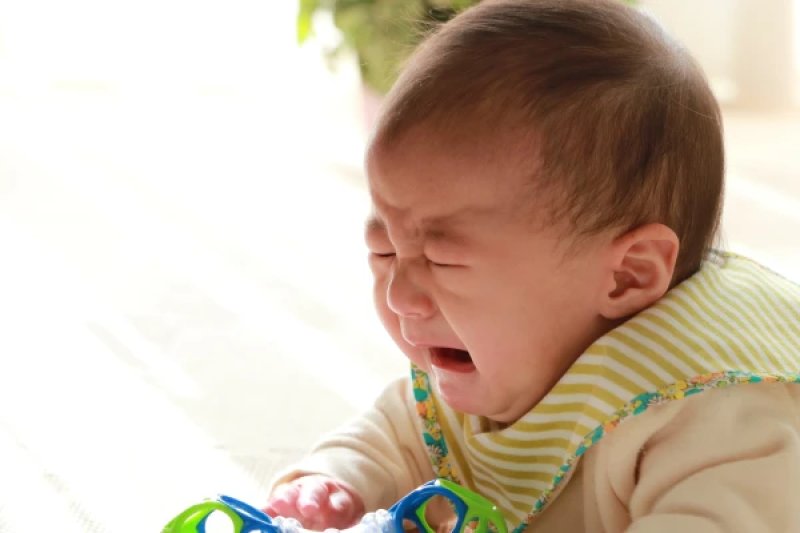
Preschool children often struggle to cope with their emotions and control them. They can react strongly to seemingly insignificant things: unfamiliar food, a broken toy, or a walk that was too short. Parents may find it difficult to accept such emotionality from their child, especially when a tantrum occurs in a public place. In moments of tension, it is easy to say something inappropriate and exacerbate the situation. We asked Natalia Derbeneva, a practicing psychologist and co-founder of the Infant School kindergarten, to share phrases that parents should avoid during their child's tantrums. “Stop screaming, or else you’ll get it!” Behind a child's crying is a real reason for distress. Even if it is unclear to you, it is not advisable to threaten the child with punishment. When a child is already feeling bad, the threat of punishment only worsens their state and negatively affects the relationship with the parent. The child may perceive such a reaction as a lack of support and may eventually stop trusting their mother or father. Instead of threatening in the heat of anger, try to take the child to a quiet place away from large crowds. Talk to them and try to understand the reason for their behavior. After a calm one-on-one conversation, it is easier to reach an agreement with the upset child. “There’s nothing to cry about!” Adults and children have completely different perspectives on the world, so it is wrong to compare a child's feelings to your own and devalue them. Such thinking fosters low self-esteem in the child and makes them doubt their feelings and whether they should share them with the parent. Give the child the opportunity to express their emotions and talk about them. Prefer dialogue when communicating with the child, as they expect understanding and support from you. Of course, this approach requires strength and patience from the parent, but as a result, your child will learn to manage their emotions and recognize their causes. “You’re such a crybaby!” Humor is a useful feeling that can help in a difficult situation. But where is the line between a joke and mockery? A child's emotions are very situational and consume all their attention. The child is crying because they are genuinely hurt, and their goal is to convey their feelings to their parents. Teasing the child at such moments means saying that their feelings are not serious. Pay attention to what the child is trying to express through their behavior. If they are scared—protect them, if they are hurt—console them, if they are upset—share their sorrow. After the tantrum subsides and emotions take a back seat, you can laugh together with the child: this will help them calm down and regain composure. “I don’t know what to do with you…” By saying this phrase, you show the child your helplessness in a specific situation. An adult is a pillar of safety for a child, where they can always find understanding and protection. Imagine yourself in the child's place: you are upset and seeking support from a loved one, and they simply brush you off. In such a case, the child is deprived of a basic need for safety. Let them know that you are ready to help and share their mood. A child who feels a sense of security in the family grows up to be more confident and calm. “Do whatever you want, just calm down!” If parents give the child what they want not as a reward but to stop the tantrum, it can lead to manipulation. The child will quickly establish a connection between their crying and receiving a candy or toy. It is important for the parent to understand that the child is crying to attract attention and elicit sympathy. It is not advisable to buy them off with gifts or sweets, even if patience is running thin: give them time to calm down, and then redirect their attention to a joint activity.
