

 Foto: BB.LV
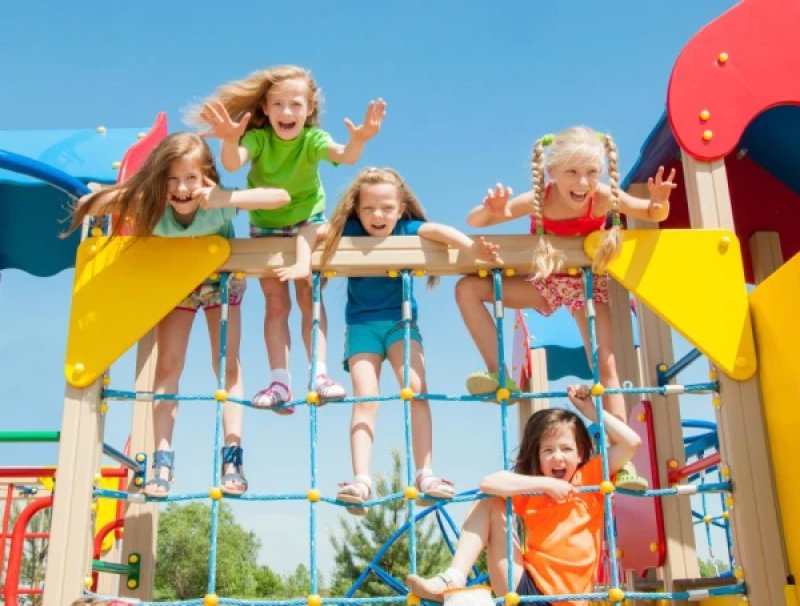
Cultural differences in child-rearing in Germany and the USA According to Rachel Stern, the main differences between child-rearing in Germany and the USA can be highlighted in seven points. Early independence Stereotypes assert that the USA is a country of free-spirited individuals who value individuality, while Germans adhere to strict rules. However, in child-rearing, Germans tend to be more democratic. Children aged five to six often go to school on their own or play in the playground while their parents socialize or are out of sight. What can be called “free-range parenting” in the USA is considered normal in Germany. Parents believe that early independence helps children gain self-confidence and the skills necessary for a successful life. Safety American playgrounds are typically equipped with soft surfaces and safe structures, while German Spielplätze may include metal pipes, tall towers, and wooden bridges. This does not mean that German parents do not care about safety; their philosophy is that falls help children learn and develop. Germans trust children's common sense, allowing them to walk to school independently, unlike in the USA, where children are often accompanied by parents or school buses. In some states, there are laws restricting the age at which a child can be left alone. Kindergarten In the USA, “kindergarten” is often seen as a last resort for parents returning to work. In Germany, however, kindergartens (Kita) are desirable institutions for which many parents compete for a spot. Since 2013, all children in Germany have the right to a place in a Kita, and the search for such a place begins even during pregnancy. According to OECD data, by the age of three, 92% of German children attend Kita. While many American parents take pride in not sending their children to kindergarten, Germans value early socialization and independence that develop in Kita. Attitude towards germs Germans believe that contact with germs strengthens the immune system, which helps them remain calm when children eat sand or fallen food. While American publications emphasize the need to protect children from germs, German sources argue that contact with them is normal and beneficial for preventing allergies. Attitude towards bad weather In Germany, there is a saying: “There is no such thing as bad weather, only inappropriate clothing.” Germans believe in the benefits of daily outdoor walks, even in cold weather. This may explain why about two-thirds of German children spend an average of 108 minutes a day outside, while in the USA, children play outdoors for only four to seven minutes. Play The stereotype of the “soccer mom” in the USA reflects a culture where children are overloaded with activities and events. In Germany, many parents prefer their children to be “bored,” allowing them to develop their interests and creativity. From an early age, children are encouraged to engage in unstructured play, which teachers believe is more beneficial than being able to read by the age of five. Discipline In German schools, children often play and resolve conflicts on their own, although teachers intervene in more serious situations. This attitude towards discipline is also characteristic of German parents, where physical punishment is not supported or approved. In Germany, children learn to make their own decisions from an early age, which fosters their independence.
