

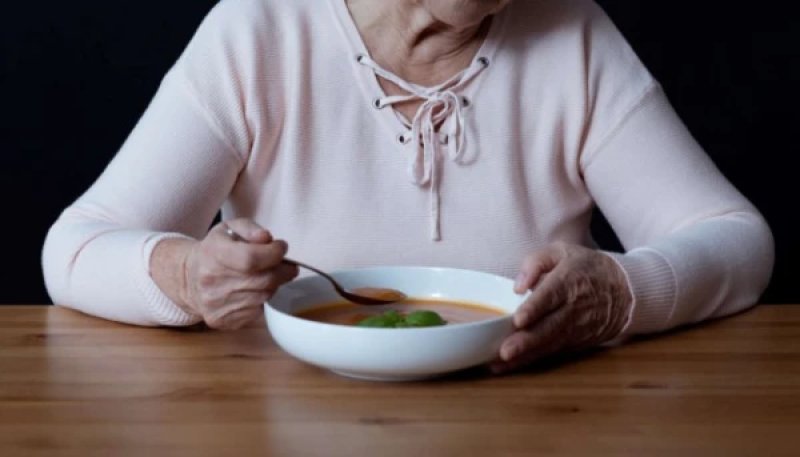
 Foto: BB.LV / женщина ест из тарелки
This outrageous innovation was reported on October 18 by the Danish newspaper Berlingske, which examined the results of a nutrition study in Copenhagen's nursing homes commissioned by the city authorities. It turned out that in some institutions, elderly people are denied festive beef dishes, explaining this by the need to comply with CO₂ emission reduction requirements. The fact is that the municipality of Copenhagen has been implementing a climate-safe food policy for several years. The city has set a goal to reduce the carbon footprint of food by 25%. Since beef production is associated with significant greenhouse gas emissions, it has been decided to replace it with vegetables, legumes, and other products. For nursing homes, a special guideline was even developed: no more than 80 grams of beef, veal, and lamb per person per week. To give you a visual idea, 80 grams of meat is like two matchboxes. A wonderful diet for a week! However, formally this is a recommendation, not a strict ban, and institutions are free to create their menus. But since the climate agenda is prioritized, nursing home administrations fervently follow this recommendation and even exceed it. According to a study by the consulting company BDO, beef appears on the menus of nursing homes an average of only twice in four weeks. Kitchen staff admit that elderly people prefer traditional Danish meat dishes rather than trendy plant-based meals. They do not like it when meat is substituted with legumes or something similar. Moreover, the need for animal proteins in the diets of the elderly is confirmed by doctors. But supporters of strict climate policies have their own opinion on this matter. Back in the spring, a representative of the "Alternative" party in the Copenhagen city council, Birgitte Keler Holst, cried out from the podium that elderly people must also participate in achieving climate goals. She added that it is their generation that has polluted the environment the most. Thus, the elderly in Denmark have been held responsible for the warming oceans, hotter summers, more extreme winters, and for the storms, tornadoes, tsunamis, and floods that sweep across the planet. This is not surprising: climate zealots often lack education and are unaware that periodic climate change is normal for our planet, and that it has experienced global warming and global cooling many times throughout its history. However, they are very good with slogans and bans. Therefore, even though Holst later apologized for her unfortunate wording (she was compelled to do so by a storm of outrage), she did not abandon the idea of extending climate requirements to nursing homes. Now, the debate over whether to feed the elderly meat or not has flared up again. Jens-Christian Lütken, the head of the Copenhagen health and care department, called the situation true madness. In his opinion, elderly people should not be forced to give up their favorite food for the sake of saving a few tons of carbon dioxide. Especially when it comes to people with dementia, for whom the pleasure of eating often remains the only accessible joy. On October 19, Danish Prime Minister Mette Frederiksen intervened in the debate. She stated that people who have worked for the benefit of the country their entire lives should undoubtedly have the right to eat meat if they wish. And the fight against climate change can continue in other ways. But this did not impress the majority in the relevant committee of Copenhagen at all. It remains unwilling to exempt nursing homes from the general climate requirements. The matter has even reached the Danish parliament. On October 21, deputies sent an official question to the relevant minister: does he agree with the prime minister and what does he intend to do to ensure that climate restrictions do not hinder elderly people from getting the food they desire. There has been no response yet. Likewise, there are no meat patties for the elderly. Climate zealotry in the capital of Denmark lives on and thrives.
