

 Foto: BB.LV / граница
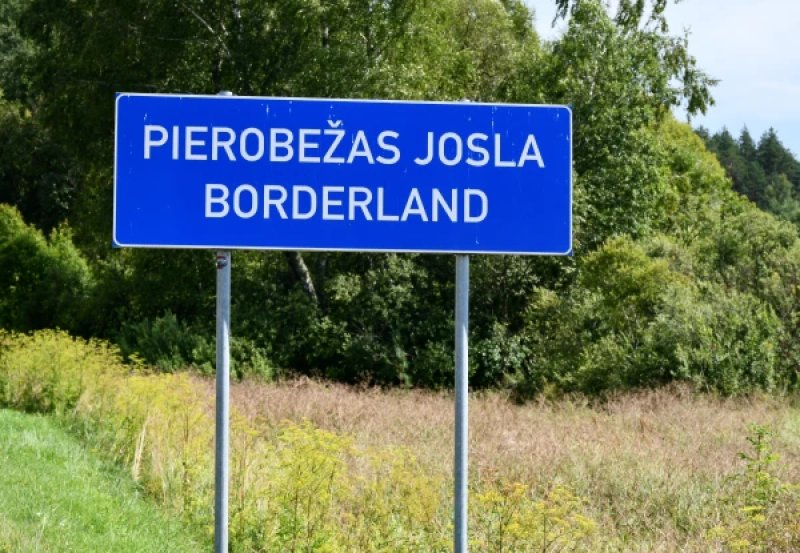
On Monday, the leaders of the municipalities of Alūksne, Augšdaugava, Balvi, Ludza, and Krāslava agreed to establish a society. The municipal leaders emphasize that these border regions are in close proximity to the Latvian-Russian border and feel the geopolitical risks, worsening demographic situation, labor force outflow, and economic difficulties most acutely. The concern and uncertainty of residents in the eastern border regions of Latvia are growing every day, and this is related not only to geopolitical tensions but also to the prevailing feeling that the state has forgotten about them, the municipal leaders underline. "Without immediate and targeted support from the government, it is almost impossible to maintain confidence that at this critical moment we are needed by our state at all. We can no longer wait. Action is needed," said the mayor of Alūksne, Dzintars Adlers. He expressed hope that the new government "will demonstrate real political will and determination, eliminate regional injustice, and genuinely, not just in words, strengthen the eastern border of Latvia and the entire European Union." The goal of the municipalities is to reduce long-standing regional inequality and the gap between the quality of life in border regions and the capital, ensuring that the need for targeted support programs adapted specifically to the region's characteristics is heard, as well as for eased conditions for implementing entrepreneurship support projects. The municipalities positively assess the law on the eastern territory of Latvia adopted by the Saeima, but emphasize that documents alone are not enough. Real, immediate, and targeted actions are necessary to strengthen the border regions, which also ensure funding. Otherwise, the outflow of the population from the border regions will continue, negatively impacting the economy, paralyzing the activities of local businesses, and hindering the arrival of new investors, local authorities point out.
