

 Foto: BB.LV
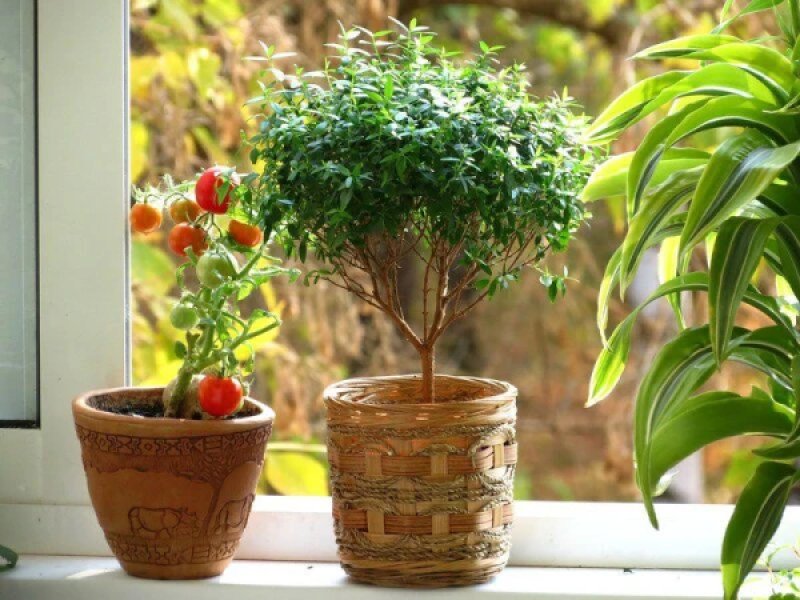
What are phytoncides? Phytoncides are volatile biologically active substances released by plants that can kill or inhibit the growth of bacteria and fungi. These substances have been used by humans for thousands of years: for example, mint and anise were placed in sarcophagi, and birch brooms were used for steaming. The term "phytoncides" was officially introduced by B. P. Tokin in 1928, describing them as protective substances of plants. Phytoncides possess antimicrobial, insecticidal, and anti-inflammatory properties, and can also have a positive effect on the human body. It is important to note that the terminology may vary, and phytoncides may include not only volatile substances but also other protective plant compounds. Why are phytoncides needed? The main function of phytoncides is to protect plants from pests. Each plant species releases a unique composition of volatile substances, allowing them to effectively cope with various threats. For example, the phytoncides of walnut repel insects, while coniferous trees help purify the air from microbes. Juniper releases the highest amount of phytoncides, making it particularly beneficial. Some plants, such as valerian and bracken fern, also have health benefits, while garlic and schisandra stimulate immunity. Eucalyptus releases powerful volatile compounds that help fight infections. Phytoncides are natural antibiotics of plants that help them defend against pathogens and pests. However, microorganisms and insects also evolve, leading to a constant struggle between plants and their enemies. If phytoncides are so beneficial, it is worth considering which plants can be kept at home. Houseplants Containing Essential Oils Every room has its own conditions, and the choice of plants may depend on the preferences of the inhabitants. For bedrooms, living rooms, or children's rooms, it is advisable to select plants based on their properties. For example, common myrtle (Myrtus communis) is beneficial for the respiratory tract and is easy to care for. Eucalyptus (Eucalyptus) also helps purify the air and repels insects. Lemon eucalyptus (Corymbia citriodora) emits a lemon-like aroma and also has beneficial properties. Pelargonium (Pelargonium) contains essential oils that help combat microorganisms and create a relaxing atmosphere. Citrus plants, such as lemon and mandarin, are also beneficial as they release phytoncides and can bear fruit. Rosemary (Salvia rosmarinus) helps fight pathogens and has culinary properties. If you are looking for less fragrant plants, consider spider plant (Chlorophytum comosum), which purifies the air and requires little care. Plectranthus (Plectranthus) is also useful as it repels insects and promotes concentration. Aloe vera (Aloe arborescens) and dieffenbachia (Dieffenbachia) can also be excellent choices for the home, as they effectively purify the air and have healing properties. What other benefits do houseplants provide? Houseplants not only release phytoncides but also increase humidity, reduce noise levels, and absorb harmful substances. They can also mitigate the negative effects of household radiation. Aromatherapy and color therapy using plants can significantly improve the atmosphere in your home. Thus, choosing houseplants with beneficial properties can significantly improve air quality and overall health in your home.
