

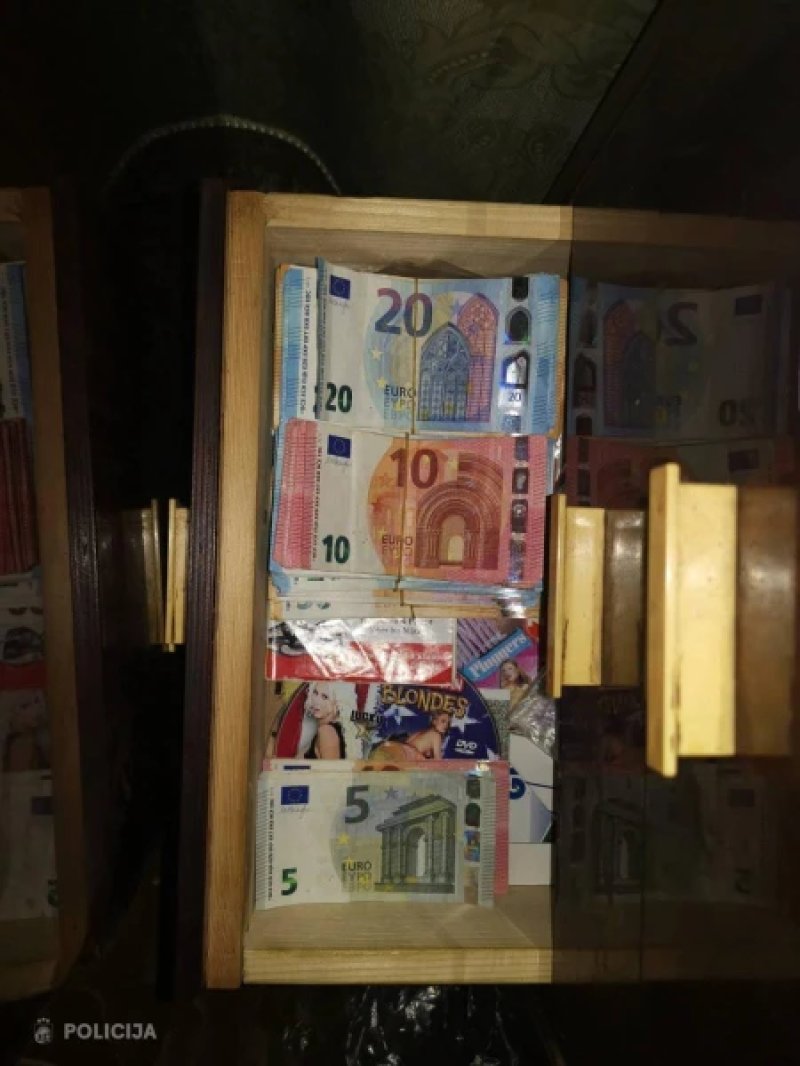
 Foto: BB.LV / Наличные евро
Payments are made using payment cards and other cashless methods, while savings, if any, are kept in the bank and often invested in various financial instruments, including third-level pension funds. However, cash has not yet disappeared from circulation and retains its niche. This is facilitated by events such as the storm on August 22-23, 2026, which caused power outages in Latvia and Lithuania and, consequently, disrupted traditional payment technologies. The unstable geopolitical situation and the rise in cyberattacks also contribute to the continued circulation of cash. On average, one resident of Latvia makes 16.1 payments per week, including 8.2 card payments, 4.8 online payments, and 3.1 cash payments. This is shown by the results of the latest "Payment Radar" study conducted by the Bank of Latvia in collaboration with the sociological research agency "Latvijas Fakti." In August of this year, 8% of surveyed residents of Latvia stated that they do not use cash at all; in February of the same year, this figure was 7%, in August 2025 it was 4%, and in February of last year it was 4%, according to the "Payment Radar" study. These data indicate that the share of people not using cash is growing, but is still relatively small. "We urge everyone to act wisely and with foresight and to have a cash reserve at home for emergencies. Such a reserve should be created in small denominations and at least in an amount sufficient for weekly needs," recommends Ilze Posuma, a member of the Board of the Bank of Latvia.
