

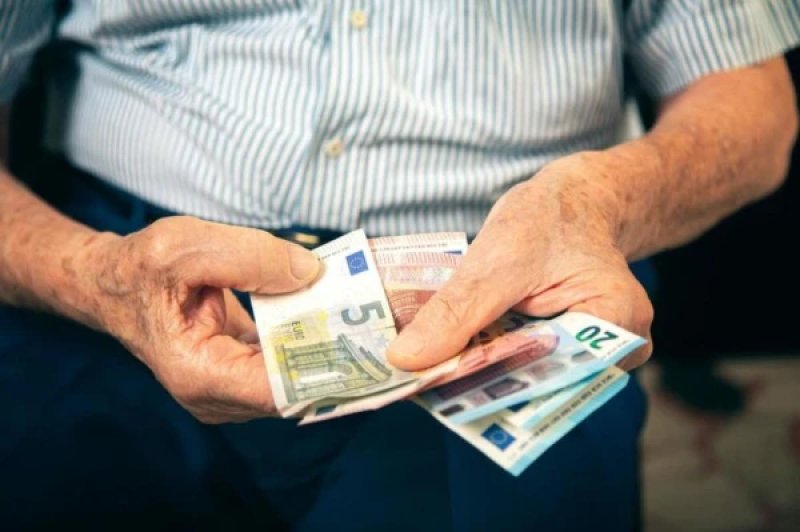
 Foto: BB.LV / Деньги
This is evidenced by the results of a survey conducted by Citadele Bank in collaboration with the research company Norstat. The first place in the list of expenses that people are willing to cut is occupied by entertainment and leisure. 33% of respondents are saving on these, which is two percentage points more than a year ago. In second place are cosmetic procedures and personal care. Last year, 27% of residents reduced these expenses, while now it is 30%. Another 29% of respondents are trying to spend less on clothing, footwear, and accessories. A year ago, this figure was 27%. Travel, recreation, and cultural events are also being cut back. The chief economist of Citadele, Karlis Purgailis, notes that the increase in salaries in recent years has indeed improved the purchasing power of the population, but this does not mean that people are ready to spend more. According to him, residents are primarily refusing expenses that are not related to essential items. **In Riga, even food expenses are being cut** A particularly alarming situation is observed in the capital. According to the study, 22% of Riga residents are trying to reduce their food expenses. In other regions of Latvia, this figure is significantly lower — from 10% to 16%. The economist explains this difference by the high cost of living in the capital. After paying for housing, utilities, and other mandatory bills, some families in Riga have significantly less disposable income than one might expect based on income statistics. **Young people save on food more often than pensioners** The study also revealed an unexpected age pattern. Among young people aged 18 to 29, 27% of respondents are cutting back on food expenses. In contrast, among residents aged 60 to 74, only 12% are doing the same. However, as Purgailis emphasizes, this does not mean that older people can afford to buy more food. Perhaps their consumer habits have long been adapted to a limited budget, leaving little room for further expense reductions. A similar trend is observed in spending on clothing, footwear, and accessories. **Who saves more than others** The most active in cutting expenses are residents of Latvia aged 40 to 49. This age group is more likely than others to give up entertainment, cultural events, travel, and cosmetic procedures. According to the economist, this situation indicates increasing financial pressure on economically active families. Purgailis warns that prolonged forced savings could negatively impact not only people's well-being but also the country's economy. After all, it is the economically active population that provides a significant portion of consumption and tax revenues. **Savings or financial difficulties?** The expert emphasizes the importance of distinguishing between voluntary savings for the sake of accumulation and situations where a person has to forgo truly necessary expenses. A particularly alarming signal is the reduction in spending on medical care and other basic needs. According to Purgailis, excessive caution among consumers may slow down the recovery of domestic demand, especially in the service sector, and negatively affect the pace of economic growth. The Citadele and Norstat survey was conducted in October 2026. Read more about the size of pensions in the country [here](https://bb.lv/statja/nasha-latvija/2026/11/15/pensii-vyrosli-pocti-na-10-komu-v-latvii-platiat-bolse)
