

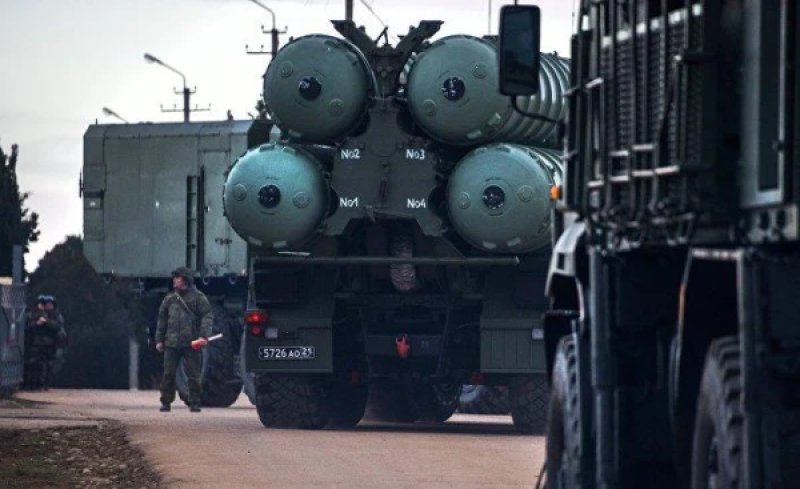
 Foto: BB.LV / ракеты
As an example, he cited the events of 1983, when the USSR and the USA were on the brink of nuclear war. In September, the Soviet missile attack warning system detected a signal resembling the launch of American ballistic missiles. However, the Soviet officer (referring to Stanislav Petrov) assumed that the system had malfunctioned and communicated this alert up the chain of command. "It’s hard to say how close we came to nuclear war, but it was frighteningly close," noted Gass. More than 40 years later, the risk of confrontation between Russia and the West has risen again: the "ghost of war" has re-emerged on the horizon, the author believes. NATO Secretary General Mark Rutte is urging the alliance to prepare for a possible Russian attack in the next five years. The European response includes support for Ukraine, increased defense spending, and strengthening resilience to threats in the "gray zone." However, these measures are insufficient to prevent a "albeit small, yet real" risk of conflict, Gass believes. "NATO's European members should devote as much effort to preventing war as they spend preparing for it," he writes. According to Gass, the arms control mechanisms of the Cold War have virtually ceased to function, communication channels with Russia, both military and civilian, are limited, and the understanding of deterrence theory has been lost. "All of this increases the risk that the parties may misinterpret each other's intentions. As a result, an escalation spiral may arise, which neither side ultimately desires," he wrote. European countries should utilize all available communication channels with the Russian authorities, stated the former chairman of the Joint Intelligence Committee. Gass suggests aligning common goals and appointing representatives to negotiate with Russia. Additionally, mechanisms for managing escalation and responding to crises need to be considered. "There are no simple solutions," Gass noted.
