

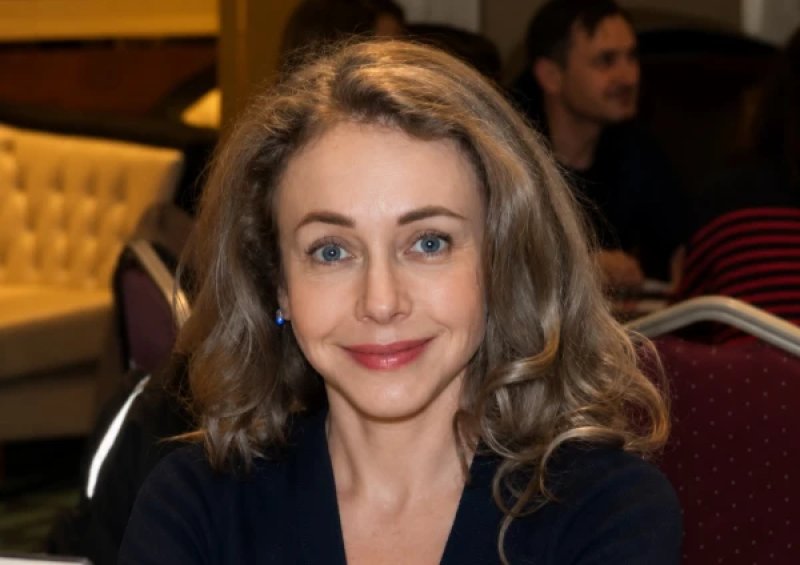
 Foto: BB.LV / Божена Рынска
"Today Latvia celebrated Independence Day: Riga was beautifully illuminated, and there were fireworks. I was thinking that the most toxic legacy of the Soviet occupation is not a backward economy. The economy, in skilled hands, can quickly grow. The most toxic thing is the habit of considering the management of one’s own country as someone else’s job. When a country is stalled, everyone needs to get out and push. In Latvia, everyone is ready to step out, assess the depth of the ditch, say that behind the wheel, as he suspected, is a moron, and return to the car to doze off. It wasn’t always like this. In the first twenty years of independence, Latvia flourished. Political life was vibrant. Even at the end of the Soviet occupation, the Balts came out of their homes, took each other’s hands, and a chain stretched from Tallinn to Vilnius. So, could they, you might ask? — The initiators were Estonians, I would reply. Nevertheless, I am sure that the habit of retreating to one’s inner homestead and grumbling about the government is not the factory setting of a Latvian. It is learned helplessness acquired over the years of Soviet occupation. During the Soviet years, little depended on the ordinary Latvian. Just say a word, and you would be sent to Siberia for life. The Czechs tried that in ’68. And the way to survive in the Soviet Union with its deceit, pressure, and shoddy work became the quiet and conscientious "Cultivate your inner homestead," because the real homesteads were banned by the Soviet regime. By the way, the thoroughly deceitful Soviet power never managed to teach the Latvian nation either to lie or to tolerate lying. And they did not catch the disease of shoddiness. Those old settings turned out to be stronger. But the habit of withdrawing in discontent, unfortunately, has taken root. The nation does not know how to choose, and the nation does not know how to hold politicians accountable. There is no understanding that European-style politicians are merely servants, hired managers, not fate. Look. Most Latvians are convinced that all local politicians are thieves. Only our street is considered so by all representatives of the titular nation. Well, if all your politicians are thieves, then you all think the same. Why not gather everyone and drive out the thieves? President Rinkēvičs will not call in the OMON. A bloody Sunday is hardly a threat here. To this question, Latvians sigh and shrug their shoulders. Well, where would we go, this is Latvia. This is our climate — rain and thieves. Thieves and rain. That’s how the heavens have arranged it. Yes, the most greedy often enter politics. But in most cases, the Latvian government is not made up of thieves. They have KNAB, for one thing — it’s a fierce American institution for eradicating corruption. And for another, there’s nothing left to steal here. But "they are all thieves" is a wonderful excuse. For all four years that I have lived here, I have been hearing this song. Just a month ago, aliens came to Latvia and chose the same thieves. Recently, Minister Kolss advised Russians to go back to Russia and overthrow Putin. Oh, I counter, let Kolss show us an example of courageous struggle against the Russian regime. His ancestors fought so hard since 1940 that the earth was on fire. And Latvians respond to me: let him rather show how much he has stolen! And his father! Where did his father buy up all the streets of Riga, huh? — Exactly! Well, let’s assume you have a minister who is a thief. And he bought up the whole street. And KNAB doesn’t see this at all (KNAB is in on it, he’s a thief too). But you can all come together to the ministry and shout: give the street back and leave, we don’t need such a thief! You are allowed to do that. Latvians look at me as if I were a foolish child: it’s useless. There will be another thief. They are all thieves there. He has bought everyone off. They are all in it together. Well, what can I say? On Latvia's Independence Day, I wish that aliens would stop sending politicians-thieves and deputies who don’t care about the people. And that it would be possible to continue not taking responsibility for the country and one’s choice, but only grumbling in the inner homestead.
