

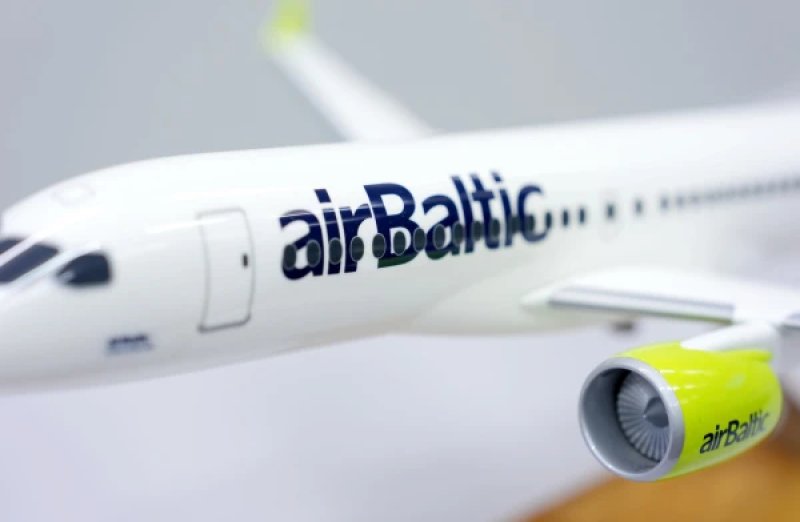
 Foto: BB.LV / airBaltic
Negotiations were interrupted on April 11, 2025. Now, the initiative to resume them has come from the airline itself. The union proposed to hold the first meeting on November 26. However, the situation has changed significantly over the past year and a half: airBaltic is undergoing a financial restructuring process in the U.S., reducing staff, and revising its route network. **300 People May Lose Their Jobs** The most painful issue is mass layoffs. Previously, airBaltic announced plans to reduce about 100 pilots and 200 flight attendants. The final numbers may still change. The cuts to pilots will affect bases in Riga, Vilnius, and Tallinn, while the surplus of flight attendants has primarily formed in Riga. Some employees will be offered jobs at other bases of the airline, if possible. The union warns that layoffs will impact not only those who lose their jobs. Remaining employees may face increased workloads, and the company itself may suffer from the loss of experienced specialists and a decline in employee motivation. **What Do Employees Demand?** On November 19, the union submitted an updated draft collective agreement to the management of airBaltic. Among the main demands are stable and predictable work schedules that allow employees to plan their personal lives, transparent working conditions, and the agreement of rules for operations at new bases. Special attention is given to labor safety, conditions for leasing aircraft along with crews, and the observance of workers' rights during the reorganization. The union insists that salary issues cannot be considered separately from working hours, schedules, and the location of employee bases. **“Trust Cannot Be Restored with Press Releases”** The chairwoman of the Latvian Aviation Union, Dace Kavaša, spoke sharply about the need to restore trust between management and staff. “A business plan is only as good as the people who can implement it in practice,” she emphasized. According to Kavaša, it is the pilots, flight attendants, technical specialists, and ground staff who have ensured the airline's operations even during mass layoffs. “Trust cannot be restored with press releases. It is restored through open, effective negotiations that end with a stable agreement that is upheld by both parties,” stated the union leader. Employee representatives are also dissatisfied that they learned about planned changes in the company from the media in the spring and summer, rather than directly from management. **There Will Be Fewer Aircraft, and Debts Will Have to Be Restructured** Negotiations are taking place against the backdrop of the Chapter 11 procedure that airBaltic initiated in the U.S. for financial recovery and protection from creditor claims during the restructuring. According to union information, the business plan provides for a reduction of the fleet to 36 aircraft, with a subsequent gradual increase to about 40 aircraft by 2031. At the same time, the airline has received commitments from investors to provide up to 350 million euros in new financing to support its operations. The interest rate on loans is about 12% per annum, and additional fees may reach 52.5 million euros. The restructuring is planned to be completed by mid-2027. The union believes that the financial plan should take into account not only aircraft, routes, and loans but also the interests of employees. Without motivated personnel, even a well-prepared strategy will be difficult to implement. **What Will Happen to Passengers?** Despite financial difficulties, mass layoffs, and upcoming negotiations, airBaltic assures that it continues to operate as usual. All scheduled flights are to be carried out on time, and purchased tickets and reservations remain valid. For passengers, this means that the restructuring process does not require changing travel plans. **What’s Next?** The first meeting between airBaltic representatives and the union may take place as early as November 26. At this meeting, the parties intend to agree on a schedule for further negotiations. The main question is whether the company's management will be able to reach an agreement with employees on new working conditions against the backdrop of staff reductions and the airline's financial restructuring. The union warns: the success of the restructuring will depend not only on creditors and investors but also on whether the remaining employees can trust their employer again.
