

 Foto: BB.LV / Медицинская техника
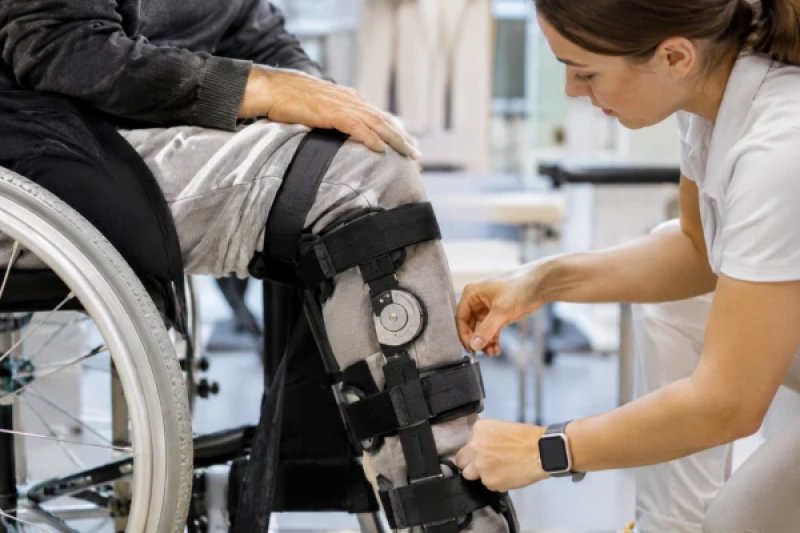
By the end of October, there were 4,052 people in line at the National Rehabilitation Center "Vaivari," which is approximately 35% more than four months earlier. According to the LETA agency, citing a representative of the Center for Technical Aids Madara Vitola, the highest demand is for custom-made orthoses. On average, 420 such applications are received monthly. In second place is industrially produced orthopedic footwear, with about 365 applications submitted each month. This is followed by wheelchairs (143 applications) and rollators — special wheeled walkers (132 applications). Additionally, there has been a noticeable increase in demand for respiratory support devices. **Queues are increasing again** In the first ten months of 2026, the center received applications for 18,343 technical aids, while 19,505 were issued. Thus, the institution managed to partially reduce the queue that had accumulated in previous periods. However, in recent months, the number of people waiting has started to rise again. While on June 30 there were 2,991 people in line, by October 31 their number had increased to 4,052. Over four months, an additional 1,061 people joined the queue. At the same time, the situation remains better than in previous years. At the end of 2024, 6,697 people were waiting for assistance, and at the end of 2025 — 4,173. Overall demand for technical aids in Latvia has remained relatively stable over the past three years — around 21,000 units annually. **How long do you have to wait?** According to data from the end of September, the waiting times for various aids vary significantly. Custom-made orthoses, prostheses, orthopedic footwear, and respiratory support devices usually take no more than one month to receive. This applies to both regular and urgent requests. For industrially produced equipment, the waiting times are somewhat longer: - Urgent requests — from one to two months; - Regular requests — from two to four months. The most challenging situation arises with alternative communication devices, electrically powered equipment, and other devices requiring individual adjustment or in-depth assessment of the person's functional capabilities. The wait for these can exceed six months.
