

 Foto: BB.LV
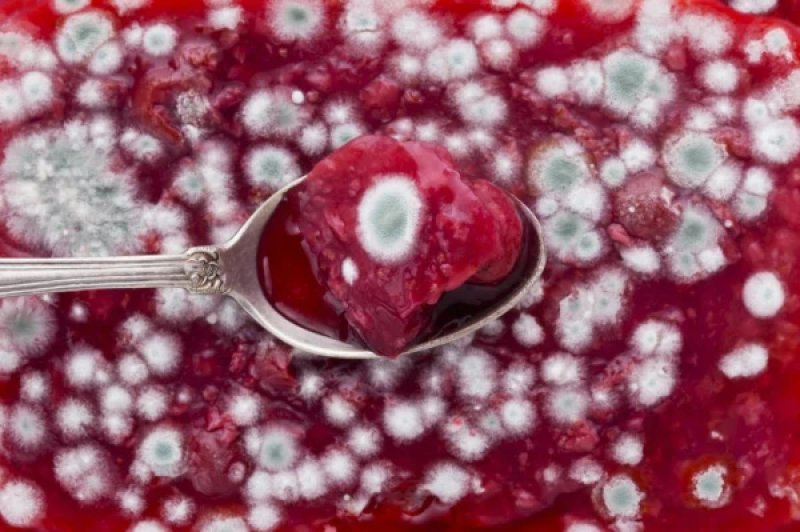
Food that is stored for a long time in the refrigerator can become covered with mold. Sometimes it feels wasteful to throw away apples or favorite sausages, and there is a temptation to cut off the spoiled part and eat the rest. However, experts do not recommend such "economy." Mold on food consists of fungal spores that penetrate deep and can be harmful to health. Carcinogenic Mold Mold is dangerous because its fungi release carcinogens and mycotoxins. These substances can cause not only poisoning or diarrhea but also more serious problems. Mycotoxins, when entering cells, can exhibit mutagenic effects, leading to severe consequences such as blood infection, acute pain, seizures, and hormonal imbalance. "Mold can damage the liver and kidneys, as well as negatively affect the immune system. If you consume moldy food for an extended period, it can be carcinogenic and mutagenic," says expert from the Consumer Initiative Association, Alexandra Borchard-Becker. According to the expert, young people are less at risk, as their immune systems usually cope with mold fungi quickly. However, people with diabetes, weakened immune systems, pregnant women, and children are at risk. For pregnant women, consuming moldy food can lead to fetal developmental defects. Cut or Throw Away? Mold is very difficult to eliminate. Even after freezing or thermal processing, it can remain in food. Only some moldy foods can be cut and eaten with minimal health risk. Moldy bread should be thrown away immediately and completely, as it is not always visible how severely it is affected by mold. The same applies to jams and preserves: by removing visible mold, you do not eliminate all harmful substances. Fruits and vegetables with high juice content (such as tomatoes, peaches, citrus fruits) should also not be left. Mycotoxins spread quickly in liquids. Moldy creams, sausages, and semi-hard cheeses should be discarded. However, hard cheese, such as Parmesan, can be cut and kept, as it matures for a long time and is not adversely affected by mold. Exceptions are cheeses with so-called noble mold, such as Brie, Camembert, or Gorgonzola, which are safe for health. Mold gives cheese a special aroma and flavor. In general, if you have doubts, it is better to throw away moldy food to avoid harming your body.
