

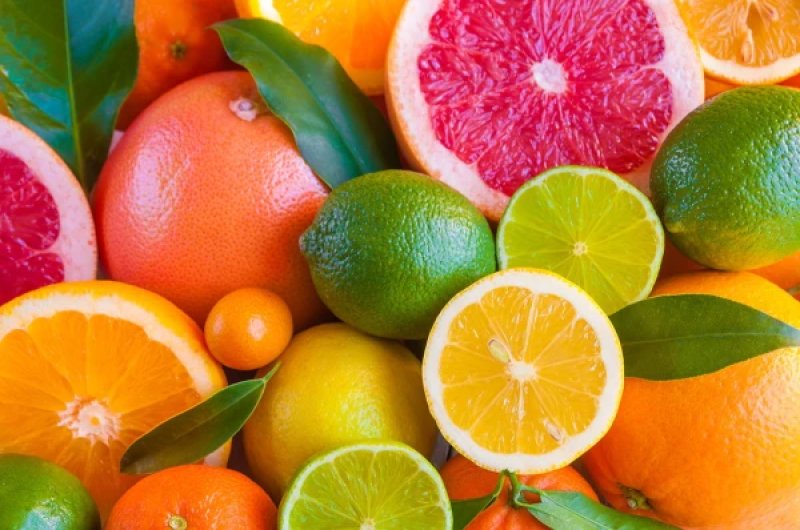
 Foto: BB.LV / Цитрусовые
As the Hungarian publication EgészségKalauz writes, when choosing citrus fruits, it is important to consider not only the amount of beneficial substances but also the serving size and possible interactions of the fruits with medications. ### Pomelo: Highest in Vitamin C Among the four popular citrus fruits, pomelo has the highest average content of vitamin C. In 100 grams of its pulp, there are about 61 mg of this substance. Vitamin C is essential for collagen formation, the normal functioning of the immune system, and the absorption of iron from plant foods. Pomelo also contains potassium and flavonoids. The potential antioxidant and anti-inflammatory properties of these plant compounds are still being studied by scientists. In 100 grams of pulp, there are approximately 38 kcal, so pomelo can be included in the diet when controlling body weight. However, the serving size should be considered: the pulp of one large fruit can weigh several hundred grams. ### Grapefruit: Source of Soluble Fiber One of the valuable components of grapefruit is pectin — a soluble fiber that helps maintain gut health and may participate in regulating cholesterol and blood glucose levels. Red and pink varieties contain lycopene — an antioxidant pigment that also gives tomatoes their characteristic color. Contrary to popular belief, grapefruit does not contain substances that can independently accelerate fat burning. However, due to its high water content and relatively low calorie count, it can be included in a balanced diet. In 100 grams of pink or red grapefruit, there are about 42 kcal. ### Orange: Vitamin C, Folates, and Fiber Oranges contain not only vitamin C but also potassium, calcium, folates, and dietary fiber. In 100 grams of the fruit, there is an average of about 53 mg of vitamin C and 2.4 grams of fiber. Researchers are particularly interested in hesperidin — a plant compound whose possible effects on blood vessel health, blood pressure, and inflammatory processes are still being studied. It is not necessary to meticulously remove the white fibers located under the skin of the orange. They contain fiber and a number of beneficial plant substances. ### Mandarin: Source of Beta-Cryptoxanthin Mandarins usually contain less vitamin C than pomelo and oranges. However, they are a source of beta-cryptoxanthin — a carotenoid that the body can partially convert into vitamin A. This vitamin is necessary for maintaining normal vision, skin and mucous membrane health, as well as immune system function. Among the four citrus fruits discussed, mandarins have a relatively high natural sugar content. Therefore, people with diabetes or insulin resistance should pay attention to the serving size. ### How Much Vitamin C Different Citrus Fruits Contain According to the U.S. Department of Agriculture, the average vitamin C content in 100 grams of raw pulp is: - pomelo — 61 mg; - orange — 53 mg; - grapefruit — 31 mg; - mandarin — 27 mg. These figures may vary depending on the variety, ripeness, growing conditions, and storage duration of the fruits. Adequate intake of vitamin C supports the normal functioning of the immune system, but it does not guarantee protection against colds or flu on its own. ### Which Citrus Fruits May Interact with Medications Particular caution should be exercised when consuming grapefruit and pomelo for people taking certain medications. The substances contained in these fruits can affect the breakdown and absorption of some active ingredients. As a result, the concentration of the medication in the blood may increase or, conversely, its effectiveness may decrease. This may involve some medications for lowering cholesterol and blood pressure, treating heart rhythm disorders, and suppressing the immune system. Even a break of several hours between taking the medication and consuming grapefruit does not always prevent interaction. Sweet oranges and mandarins generally do not cause such effects. However, orange juice can hinder the absorption of certain medications, including the antihistamine fexofenadine. Therefore, it is essential to read the instructions carefully and consult a doctor or pharmacist if in doubt. ### Why Whole Fruits Are Healthier Than Juice Whole citrus fruits are usually preferable to freshly squeezed juice. When preparing the drink, a significant portion of fiber is lost, while most of the natural sugar is retained. Additionally, whole fruits provide better satiety, and the carbohydrates they contain are absorbed more slowly. For people with diabetes and insulin resistance, it is especially important to monitor serving sizes. For example, a large portion of pomelo may contain more carbohydrates than a small orange or mandarin. ### Who Should Exercise Caution For some people with gastroesophageal reflux disease, citrus fruits can exacerbate heartburn. It is not always necessary to completely exclude them from the diet — much depends on individual tolerance and the amount consumed. Limiting citrus fruits may also be required in certain kidney diseases when a doctor recommends monitoring potassium intake. Frequent consumption of acidic fruits can also affect tooth enamel. It is advisable to rinse the mouth with water after eating and to brush teeth no earlier than 30 minutes later. Thus, pomelo indeed surpasses oranges, grapefruits, and mandarins in average vitamin C content. However, citrus fruits should be chosen considering the overall diet, serving size, health status, and medications taken.
